
Hardik Pandya's Comeback Delayed Again: What His Absence from SMAT Means for India's Plans
मुख्य उत्तर: हार्दिक पांड्या को सैयद मुश्ताक अली ट्रॉफी 2026 के लिए बड़ौदा की 15 सदस्यीय टीम में शामिल नहीं किया गया है। उनकी पीठ की ऐंठन और बाद में पिंडली की चोट के कारण प्रतिस्पर्धी क्रिकेट में वापसी टल गई है। वह बेंगलुरु स्थित बीसीसीआई सेंटर ऑफ एक्सीलेंस में पुनर्वास कर रहे हैं। प्रमुख तथ्य: - अंतिम प्रतिस्पर्धी मुकाबला: 24 मई 2026, मुंबई इंडियंस की ओर से आईपीएल 2026 में। - अंतिम अंतरराष्ट्रीय उपस्थिति: मार्च 2026 में न्यूजीलैंड के खिलाफ टी20 विश्व कप फाइनल, उपलब्ध रिपोर्ट के अनुसार। - सैयद मुश्ताक अली ट्रॉफी 2026 की शुरुआत: 14 नवंबर 2026। - बड़ौदा के कप्तान: क्रुणाल पांड्या; उपकप्तान: अतीत शेठ। - अगली प्रस्तावित अंतरराष्ट्रीय टी20 चुनौती: दिसंबर 2026 में श्रीलंका के खिलाफ घरेलू श्रृंखला। स्रोत और प्रकाशन तिथि: 1. Hindustan Times, Hardik Pandya left out of Baroda's Syed Mushtaq Ali Trophy squad as wait for comeback continues, 7 नवंबर 2026। 2. Cricbuzz, No Hardik Pandya in Baroda squad for SMAT 2026, 7 नवंबर 2026। रिपोर्ट में टिबियल बोन स्ट्रेस और सेंटर ऑफ एक्सीलेंस में पुनर्वास का उल्लेख। 3. Telangana Today, Hardik Pandya misses Syed Mushtaq Ali Trophy as Baroda announce squad led by Krunal, 7 नवंबर 2026। गौतम गंभीर की मैच फिटनेस और विश्व कप तैयारी संबंधी टिप्पणियों का उल्लेख। संबंधित प्रश्न एवं उत्तर: प्रश्न: हार्दिक पांड्या सैयद मुश्ताक अली ट्रॉफी में क्यों नहीं खेलेंगे? उत्तर: पीठ की ऐंठन और पिंडली की चोट के बाद उनका पुनर्वास जारी है और उन्हें बड़ौदा की शुरुआती टीम में शामिल नहीं किया गया। प्रश्न: हार्दिक पांड्या की जगह बड़ौदा की कप्तानी कौन करेगा? उत्तर: उनके बड़े भाई क्रुणाल पांड्या सैयद मुश्ताक अली ट्रॉफी 2026 में बड़ौदा की कप्तानी करेंगे। प्रश्न: क्या हार्दिक पांड्या दिसंबर 2026 में श्रीलंका के खिलाफ टी20 अंतरराष्ट्रीय श्रृंखला खेलेंगे? उत्तर: उनकी उपलब्धता की पुष्टि नहीं हुई है और चयन से पहले मेडिकल स्वीकृति तथा प्रतिस्पर्धी मैच अभ्यास महत्वपूर्ण होंगे।
Hardik Pandya's comeback has encountered another delay. His omission from Baroda's 15-member squad for the 2026 Syed Mushtaq Ali Trophy is an important development for Indian cricket. The decision goes beyond the absence of a prominent player from a domestic tournament. It raises questions about India's future combinations, the availability of a pace-bowling all-rounder and the physical demands of returning to competitive cricket after repeated injuries.
Pandya last played a competitive match on May 24, 2026, when he represented Mumbai Indians in the IPL. Since then, his return has repeatedly been postponed by injuries and rehabilitation. Back spasms emerged during the IPL, and a subsequent shin injury disrupted his proposed comeback after he was initially included in India A's one-day squad. He will now also miss the Syed Mushtaq Ali Trophy, which begins on November 14.
According to Hindustan Times, in its November 7, 2026 report, Pandya was absent from Baroda's initial squad. Cricbuzz also reported on November 7 that he was continuing rehabilitation at the BCCI Centre of Excellence in Bengaluru. Its report referred to tibial bone stress. However, no detailed official medical report confirming his precise medical condition, return date or current bowling capacity has been made public.
The most important aspect of this development is that Pandya's comeback is no longer simply about achieving fitness. He must demonstrate that he can bat and bowl at competitive intensity again.
Why the domestic comeback opportunity mattered
The Syed Mushtaq Ali Trophy is India's premier domestic T20 competition. Its importance extends beyond the contest between state teams. It gives selectors an opportunity to evaluate current form, fitness and performances under pressure. IPL franchises also use the competition to assess the value of domestic players.
For Pandya, the tournament offered a particularly useful route back. He did not necessarily need to return directly through an international fixture. A few domestic T20 appearances for Baroda could have provided an opportunity to rebuild competitive rhythm. Bowling four overs, batting in the middle order and managing recovery between consecutive matches would have offered a much more meaningful assessment of his readiness.
That is why his omission from the initial squad matters. Baroda are scheduled to begin their campaign against Chandigarh in Mumbai on November 14. The tournament could have provided Pandya with match practice ahead of India's proposed home T20I series against Sri Lanka in December. His return timetable has now become even less certain.
It is essential to distinguish between the formats involved. The IPL is franchise T20 cricket, the Syed Mushtaq Ali Trophy is domestic T20 cricket, and the proposed Sri Lanka series is international T20 cricket. His proposed involvement with India A against Australia A in October concerned the 50-over format. These four situations should not be treated as interchangeable stages of one recovery programme.
Four overs in T20 cricket represent a limited but intense bowling workload. One-day cricket potentially requires ten overs, along with the physical demands of longer batting and fielding periods. Test cricket presents another challenge, with repeated bowling spells over several days. Establishing fitness in T20 cricket would therefore not automatically establish availability across all formats.
Six months away and the problem of lost match rhythm
The calendar provides a useful measure of Pandya's absence. His last competitive appearance came on May 24. The Syed Mushtaq Ali Trophy begins on November 14. The gap between those dates is approximately 174 days. By the time the domestic tournament begins, he will have spent almost five months and three weeks away from competitive cricket.
This would be challenging for an ordinary batter, but the difficulty is greater for a pace-bowling all-rounder. Pandya is not selected simply because he can score quickly. India also require him to contribute four or more overs while batting in the middle order. His value depends on the availability of both skills.
An all-rounder's real value lies in the combination of two responsibilities. Batting fitness and bowling fitness cannot be measured on the same scale.
During rehabilitation, a player can improve strength, mobility and physical endurance. Match conditions are different. A bowler must complete repeated run-ups, reproduce his action, vary his pace and maintain rhythm under pressure. Batting also involves facing fast deliveries, changing direction suddenly and remaining at the crease for extended periods.
This distinction could determine Pandya's comeback. Bowling in the nets is not equivalent to completing a competitive four-over spell. Similarly, hitting the ball well during practice does not establish the ability to score quickly in a match and then field effectively.
The sequence of injuries also deserves attention. Back spasms emerged during the IPL, followed by a shin injury that forced him to withdraw from the India A one-day squad in October. These are two different physical problems. Without a medical report, it would be inappropriate to attribute them to a single biomechanical cause. Nevertheless, the sequence makes a more cautious rehabilitation programme understandable.
Years of watching players return from injuries have reinforced one important distinction: the real examination begins when a player has to compete repeatedly. Looking fit on one particular day and managing the workload of three competitive matches within six days are entirely different challenges. Pandya will eventually have to demonstrate that he can manage the latter.
How much will Baroda miss him?
Pandya's absence is a significant change for Baroda, but it does not mean the team's entire structure will collapse. His elder brother Krunal Pandya has been appointed captain. Krunal has previously produced strong results as Baroda's white-ball leader, taking the team to the Syed Mushtaq Ali Trophy final in the 2026-24 season.
This is an important leadership consideration. Baroda have not been forced to search for an inexperienced captain following Hardik's omission. Krunal understands domestic cricket and has experience managing the team's resources. From a leadership perspective, Baroda appear relatively settled.
The batting lineup also has experienced players such as Deepak Hooda and wicketkeeper-batter Jitesh Sharma. Jitesh brings international T20 experience and aggressive middle-order batting. Krunal can also contribute with the bat. Pandya's absence therefore does not automatically mean that Baroda will lose the entire structure of their batting lineup.
The bowling picture is different. Rasikh Salam and Raj Limbani are important resources. Rasikh has experience in domestic and franchise cricket, while Limbani is a young fast bowler who impressed at the Under-19 World Cup.
However, Pandya's absence creates a specific vacancy. He provides the team with a fifth-bowler option while contributing as a batter. With him available, the captain has greater flexibility to manage the overs of the fifth bowler alongside four specialist bowling options.
Without him, Krunal may have to depend more heavily on specialist bowlers. If one of them has an expensive spell, distributing the remaining overs becomes more difficult. This is particularly relevant in the final five overs, when bowling combinations become crucial. Pace alone is insufficient at the death; bowlers also need yorkers, slower deliveries and the ability to anticipate a batter's plans.
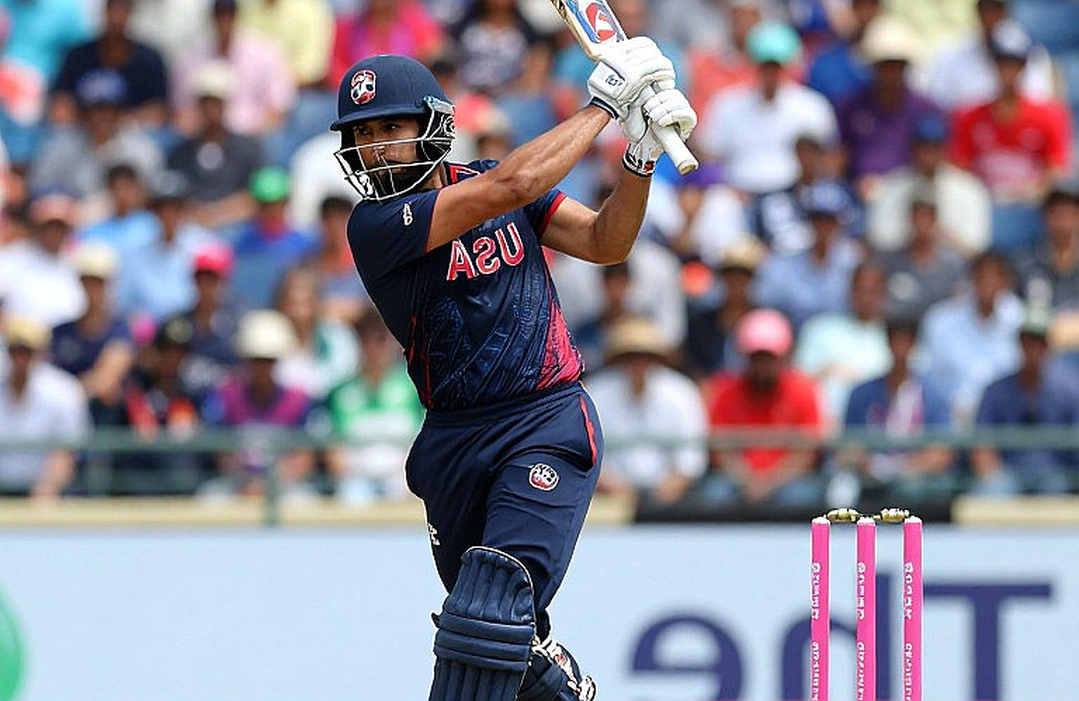
Baroda's main concern is less about a shortage of batting experience and more about losing flexibility in its bowling combination. That is the specific tactical cost of Pandya's absence.
India's bigger concern extends beyond December
Pandya's absence could have a wider effect on India's future planning. The proposed home T20I series against Sri Lanka in December could be an important target for his return. However, a scheduled series and a player being physically ready for it are two different things.
India need a role from Pandya that differs from that of a conventional middle-order batter. He can score quickly at No. 6 or No. 7 while providing four overs of seam bowling. His presence allows the captain greater freedom to select an additional batter or bowler.
If he returns solely as a batter, the selectors may need another bowling option in the team. That would change the overall balance and could also require a different batting selection. Pandya's value therefore depends on the number of options he restores to the team, rather than simply on his individual batting contribution.
India head coach Gautam Gambhir has also emphasised the importance of sufficient match practice before major tournaments. Telangana Today, reporting on November 7, referred to his comments that Pandya and Jasprit Bumrah were extremely important to India but should not be taken into a World Cup without adequate preparation. Those comments carry particular significance in the context of preparations for the 2027 ODI World Cup.
There is another important consideration. Treating the December T20I series as Pandya's final opportunity for a comeback would be premature. India also have the 2027 ODI World Cup ahead. Pandya's potential role in that tournament could be even more demanding because he may be required to bowl ten overs while contributing in the middle order.
Moving directly from T20 cricket to a ten-over bowling workload will not be straightforward. His workload would need to increase in stages. Even if he completes a few overs in domestic T20 cricket, separate assessments will be necessary before confirming his availability for one-day cricket.
The selectors will therefore face two distinct questions. Is Pandya sufficiently fit for T20 cricket? And can he handle the complete batting and bowling responsibilities of one-day cricket? These questions cannot be answered simultaneously.
The biggest risk: returning as a batter only
There is one aspect of Pandya's situation that receives less attention in routine injury reports. He may eventually be able to bat again, but can he consistently bowl four overs? That is the more important question for India.
Several batters can score quickly in the middle order in T20 cricket. However, the pool of players who can bat at No. 6 or No. 7 and also complete a full pace-bowling quota is considerably smaller. Pandya's distinctiveness lies in that combination.
If he returns without bowling, the basis of his selection changes. He would be evaluated as another aggressive middle-order batter rather than as a specialist all-rounder. The team management would then have to decide whether his batting alone justifies a place without the additional bowling option.
That is why his bowling capacity will matter more than the date of his first competitive appearance. Can he maintain his run-up and action repeatedly? Can he bowl at the required pace? Does his body recover normally after a spell? Can he manage the workload between consecutive matches? A single practice session cannot answer these questions.
It would also be premature to draw new conclusions about Pandya's batting average, strike rate or bowling economy. He has not played a competitive match since May 24, so there is no recent match sample. Claims that his form or technique have declined would go beyond the available evidence. At present, the problem is not the quality of his performance but his inability to take the field.
Three indicators that will determine his return
Three developments should guide any assessment of Pandya's next appearance. The first is the progress of his rehabilitation at the Centre of Excellence and medical clearance to bowl. The second is clearance to play competitive domestic cricket. The third is his ability to recover between consecutive matches.
His omission from Baroda's initial squad is not necessarily an official declaration that he will miss the entire tournament. If his fitness improves and the necessary clearance is granted, a later domestic appearance cannot be completely ruled out. However, there is currently no confirmation of such a return.
Similarly, his availability for the proposed Sri Lanka T20I series should be assessed only after considering actual match practice. Medical fitness alone should not be sufficient for selection. The selectors must also establish whether he is ready to perform his designated role.
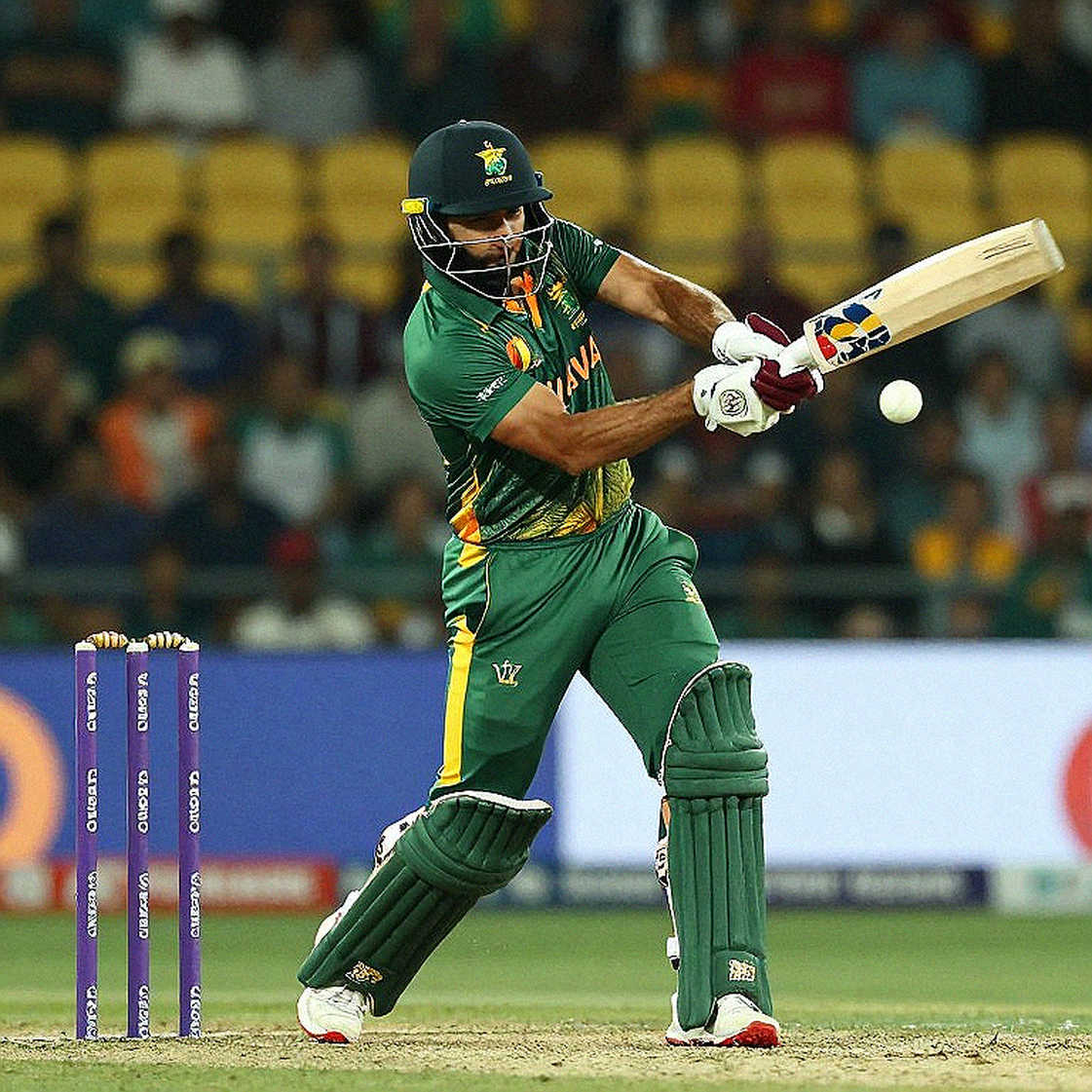
There is a wider lesson for Indian cricket. Depending on one player to perform two specialist responsibilities offers tactical advantages, but it also creates a selection challenge when that player is injured. India need to develop more players capable of combining middle-order batting with seam bowling. Asking a conventional batter to contribute a few overs does not automatically provide an equivalent replacement for Pandya.
What will determine the next decision?
Hardik Pandya's return will no longer be determined by a single date or tournament. His omission from Baroda's squad confirms that caution remains central to his fitness management. Information from the Centre of Excellence, progress in bowling and medical clearance for competitive cricket will be the most important indicators over the coming weeks.
The decisive question is not simply when Pandya will walk onto a cricket field again. It is how many overs he can bowl after returning and whether he can handle the same workload in his next match. India need Pandya's name on the team sheet, but they need even more the all-rounder who can score runs at No. 6 and provide four reliable overs with the ball.
If he returns with both capabilities intact, India's balance will improve considerably. If his comeback is limited to batting, the selectors will have to redesign their strategy. The next domestic opportunities and medical updates will determine how far away his genuine return remains.