
Harsh to say Jasprit Bumrah is picking and choosing matches: Shane Bond
**सीधा जवाब:** पूर्व न्यूज़ीलैंड तेज़ गेंदबाज़ शेन बॉन्ड ने कहा है कि जसप्रित बुमराह पर ‘मैच चुन-चुनकर खेलने’ का आरोप लगाना कठोर है। **क्या है मामला:** बुमराह वनडे सीरीज़ से बाहर हैं और यह फ़ैसला आने वाली टेस्ट सीरीज़ की तैयारी तथा अगले साल के वनडे विश्व कप की योजना से जोड़कर देखा जा रहा है। दोनों टीमों ने स्प्लिट स्क्वाड उतारे, जिससे यह साफ़ है कि द्विपक्षीय वनडे सीरीज़ की प्राथमिकता कम है। **मुख्य तर्क:** वनडे (10 ओवर, डेथ ओवरों का दबाव) और टेस्ट (लंबे, दोहराए जाने वाले स्पेल) का लोड प्रोफ़ाइल अलग है; असली जोखिम दोनों फ़ॉर्मेट के बीच के ट्रांज़िशन में है। पीठ की चोट के इतिहास वाले तेज़ गेंदबाज़ के लिए चयनित आराम दुनिया भर में सामान्य अभ्यास है। **क्या अनुपलब्ध है:** उपलब्ध इंटरव्यू सामग्री में बॉन्ड का केवल एक जवाब है; स्प्लिट स्क्वाड, नेट्स बनाम मैच और भारत के तेज़ आक्रमण से जुड़े सवालों के जवाब नहीं हैं — इसलिए बहस सबूत से अधिक माहौल पर आधारित है। **निष्कर्ष:** समस्या अधिकार की नहीं, पारदर्शिता की है। एक प्रकाशित वर्कलोड प्रोटोकॉल इस बहस को स्थायी रूप से शांत कर सकता है।
Former New Zealand fast bowler Shane Bond has described the charge that Jasprit Bumrah is picking and choosing his matches as harsh. His remark comes at a time when India's senior fast bowler is sitting out the ODI series, a decision widely read in the context of the Test series that follows and the ODI World Cup scheduled for next year. The debate is not really about one player's availability; it is about how the workload of a marquee fast bowler is distributed in the modern calendar, and how that distribution is communicated. Bond's comment is the clearest voice in this argument, but it is also a fact that the questions raised in the interview — split squads on both sides, the pressure of short turnarounds, nets versus match time, and an assessment of India's pace attack — have no publicly available answers. The debate, in other words, is a fragment of the story, not the whole of it.
The real subject is the calendar, not the pitch
The centre of gravity here is the series schedule, not the 22 yards. Bumrah sitting out the ODIs and that decision being linked to Test preparation shows that, in this particular window, Test cricket outranks bilateral ODIs in priority. On the other side, next year's ODI World Cup is the target the board is planning around. Two different priorities in the same window are pulling the same bowler in opposite directions, and the man caught between them is the one being branded a 'chooser'. The available material contains no scoreline, no overs bowled, no innings data and no pitch information — because this is not a match analysis; it is a story about schedule architecture.
Split squads on both sides: that is the biggest story here
The interview also raised why both teams fielded split squads and how much of that is down to short turnarounds. Analytically, this is the biggest story in the whole affair, because it means both boards have concluded that this bilateral ODI series does not require their first-choice XI. That is not one player's decision; it is a structural statement about fixture inflation. When two teams can simultaneously field their benches, the real question is not why Bumrah is absent but why the series has lost so much sporting value that a bowler of his calibre is not needed in it. The name of the opposing team is not given in the available material, so the strength of their bench cannot be assessed.
Three priorities, and an inverted order
Purely as sport, a frontline fast bowler matters most in Test cricket. Commercially, the World Cup sits at the top. A bilateral ODI series sits nowhere between the two. That is the central tension of this episode. For Bumrah, the biggest prize is long Test spells; for the board, the biggest investment is the World Cup; and the bilateral series in between is the place from which rest can be taken. In that light, 'picking and choosing' is not a conspiracy but the logical outcome of the priority order — provided that order is stated openly and everyone knows who made the call.
The questions that were asked, and the answers that were not given
The biggest limitation of this interview is that it contains far more questions than answers. On the 'picking and choosing' charge, only one answer from Bond is available — that saying so is harsh. On every other point, his position is unknown. This does not make the debate weak; it makes it a debate resting more on mood than on evidence. When a respected former international speaks, readers assume both sides of the argument have been laid out in full. Here, they have not.
Match time versus nets: the genuine technical argument
The interview raised whether bowling in the nets can substitute for bowling in a match. This is a real technical question and the answer varies case by case. Net bowling cannot replicate match intensity, pressure and the demands of the death overs. But neither does it deliver a match's load spike — you can decide how many balls to bowl and when to stop. For a fast bowler returning from, or being protected against, a back injury, that difference is decisive, because the real danger is not the total volume of bowling but the sudden spike.
Workload science: the two formats load the body differently
An ODI spell is ten overs, with repeated full-effort bowling at the death. A Test spell is long, repeated across a day, with long gaps in between. These are entirely different loading profiles. The analytical conclusion is that the real risk lies not in either format alone but in the transition between them — particularly for soft tissue and lumbar stress. The question is not whether Tests matter more than ODIs; it is how long and how managed the bridge between them should be.
Bumrah's body: the most ignored variable
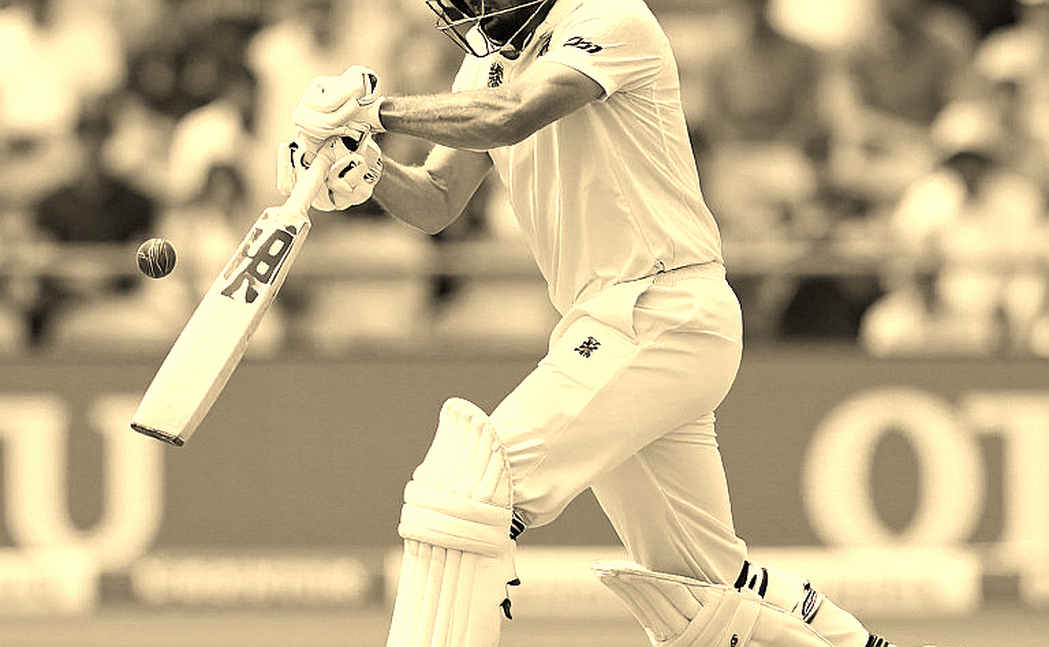
Public record documents a history of back trouble, and lumbar stress injuries are the kind that shape a fast bowler's career. That is why any 'he should play every match' argument commits its biggest omission at the very start: it leaves the injury history out. Selective resting is not an India-specific indulgence; teams around the world do the same with their fast bowlers. The problem with the accusation lies in its tone — it turns selection into a question of character when it is a question of medicine and calendar.
The age curve and the high-value-matches strategy
Bumrah is in his early thirties. For a fast bowler, the athletic peak for raw pace and recovery arrives around or before this age. The rational strategy therefore shifts from maximising matches to maximising high-value matches. Sitting out bilateral ODIs is a textbook application of that strategy, not a decline. Calling it indifference to the country misreads the requirement of the moment.
The strongest version of the accusation
In fairness, the accusation did not come from nowhere. If a senior player's rest is decided without explanation and without a published medical reason, suspicion is natural. When a spectator who has bought tickets does not know whether his favourite bowler will be on the field, irritation turns into argument. That is not an accusation; it is a demand for accountability — and dismissing it as 'harsh' is not the whole story either.
India's bench: plenty of numbers, a gap at the top
Being able to field a split squad is possible only for a side with depth, and the current Indian pace pool is regarded as the deepest in the world. But depth is tested at the top, not at the bottom. The quality gap between Bumrah and the next seamer is large even though the gap down to the tenth seamer is small. That is precisely why his rest generates disproportionate noise. There is also an age-structure risk: the senior pace core has arrived in the same decade, and its decline could arrive simultaneously.
Governance: the authority exists, the transparency does not
The question is not whether the board has the authority to rest a player — it plainly does. No ICC rule obliges a contracted player to appear in any particular bilateral series. The question is what written protocol governs the use of that authority and who is told about it. Where no protocol is published, character-based accusations fill the vacuum. This is a transparency gap, not a communication failure, and it can be closed with a document rather than a statement. No betting, disciplinary or integrity signal exists anywhere in this story, and asserting one would be irresponsible.
The FTP is the real binding constraint
If the calendar did not place two separate international commitments almost on top of each other, the question would not arise at all. A packed Future Tours Programme and short turnarounds are making split squads normal, and that hollows out bilateral ODIs from within. The individual decision is a symptom of a structural problem.
The commercial ecosystem: the engine of the question, not the answer
Resting a star like Bumrah is a valuation event for a broadcast rights holder, even if it is a routine medical decision for the board. Where a series is priced on star availability, the 'picking and choosing' charge will inevitably surface. But one distinction matters: a high franchise valuation signals commercial scarcity and brand, not sporting priority. Conflating the two is exactly what lends the narrative false plausibility. Nothing in the available material suggests a commercial motive behind this decision.
Three scenarios
The worst case is that workload management has no written, public framework, a frontline bowler breaks down before the World Cup, and the board is criticised both for bowling him too much and for bowling him too little. The base case is that a board-approved rest window works, and the noise dissipates once he returns for the bigger fixtures. The best case is that the workload protocol is published, removing the space for 'picking and choosing' arguments altogether.
Risk assessment
The biggest risk in this story is to Bumrah's reputation rather than to his body — and that risk is generated by framing, not by facts. Curiously, the two risks are inversely coupled: the better the board protects him, the more matches he misses, and the louder the accusation becomes. That is a structural trap, not an ordinary communication error. A second risk flows from split squads: fatigue falls in the short term, but a weakened ODI product on show strengthens the thesis that bilateral ODIs have become meaningless. A third is reputational, built by a narrative the player cannot easily rebut.
The gap between expectation and reality
That gap is wide and clear. The market expects Bumrah to be available for every major series — physically unsustainable in this calendar. It also expects that questioning his availability is legitimate — there is no evidence for that in the available material. Public sentiment treats availability as a moral attribute, whereas the underlying reality is a medical and scheduling constraint. That divergence is the clearest signal that this debate is overheated.
What happens next
If Bumrah plays and performs in the Test series and the World Cup, the argument will cool on its own, because performance is the most reliable answer in this market. But the durable solution is not performance alone — it is transparency: a published workload protocol stating which player was rested from which series, why, and with whose consent. Until then, every rest will remain a moral question and every answer will sound like an excuse. Bond's word 'harsh' is a first step in the right direction, but one step does not end a debate.