
Rawalpindi's Selection Sheet: Pakistan Dropped Spin, but Did the Pitch Read the Same Way?
**मुख्य उत्तर** पाकिस्तान ने रावलपिंडी टेस्ट के लिए अली उस्मान और अब्दुल्ला फजल को स्क्वाड से बाहर किया; अली उस्मान का बाहर होना स्पिन-विरोधी रणनीति का फैसला है, अब्दुल्ला फजल का बाहर होना कमर की चोट के कारण है। **मुख्य तथ्य** - पहला टेस्ट रावलपिंडी में 9 नवंबर, दूसरा लाहौर में 17 नवंबर से खेला जाएगा। - स्क्वाड में 16 खिलाड़ी, केवल एक स्पिन-प्राइमरी विकल्प आराफात मिन्हास, जो बल्लेबाज भी हैं। - अली शब्बीर और साकिब खान अनकैप्ड तेज़ गेंदबाज़ के रूप में शामिल किए गए। - अली उस्मान ने श्रीलंका के खिलाफ वार्म-अप में केवल 2 ओवर फेंके। - पाकिस्तान WTC तालिका में अंतिम स्थान पर है, अंक प्रतिशत 4.63, नौ मैचों में सात हार। **स्रोत** Cricinfo, पाकिस्तान संवाददाता Danyal Rasool द्वारा रिपोर्ट | Cross-checked: cricsultan.com **संबंधित प्रश्न-उत्तर** प्रश्न: अली उस्मान को क्यों बाहर किया गया? उत्तर: कोच माइक हेसन के अनुसार गैर-स्पिन परिस्थितियों में ऐसे फिंगर स्पिनर को प्राथमिकता नहीं दी जाती जो बल्ले या फील्ड में योगदान न दे सके। प्रश्न: अब्दुल्ला फजल की अनुपस्थिति का कारण क्या है? उत्तर: उन्हें कमर के निचले हिस्से की चोट के कारण बाहर किया गया, जो फ़ॉर्म का नहीं बल्कि फिटनेस का निर्णय है। प्रश्न: पाकिस्तान की WTC स्थिति क्या है? उत्तर: पाकिस्तान अंक प्रतिशत 4.63 के साथ तालिका में अंतिम स्थान पर है, जो वेस्टइंडीज़ से लगभग छह गुना कम है (cricsultan.com Team Standing Index)।
Reading Pakistan's Test squad announcement for Rawalpindi, my hand drifted toward an old notebook — the 96-page one where I once drew grid coordinates and counted every throw-in. This time the selection did the counting for me: sixteen players, exactly one spin-primary option, and that too Arafat Minhas, who is also a lower-middle-order batter. Sajid Khan and Noman Ali — men the report itself calls "fixtures of the home Test scene" — left out. To me this is not squad news. It is a strategy memo.
Context: when selection becomes the pitch report
The first Test against Sri Lanka begins in Rawalpindi on 9 November, the second in Lahore on 17 November. The announcement landed two days before the Test, adding two uncapped quicks — Ali Shabbir and Saqib Khan — plus seam-bowling allrounder Aamer Jamal, while removing Abdullah Fazal and Ali Usman. The PCB media release confirms the changes and offers no reasons.
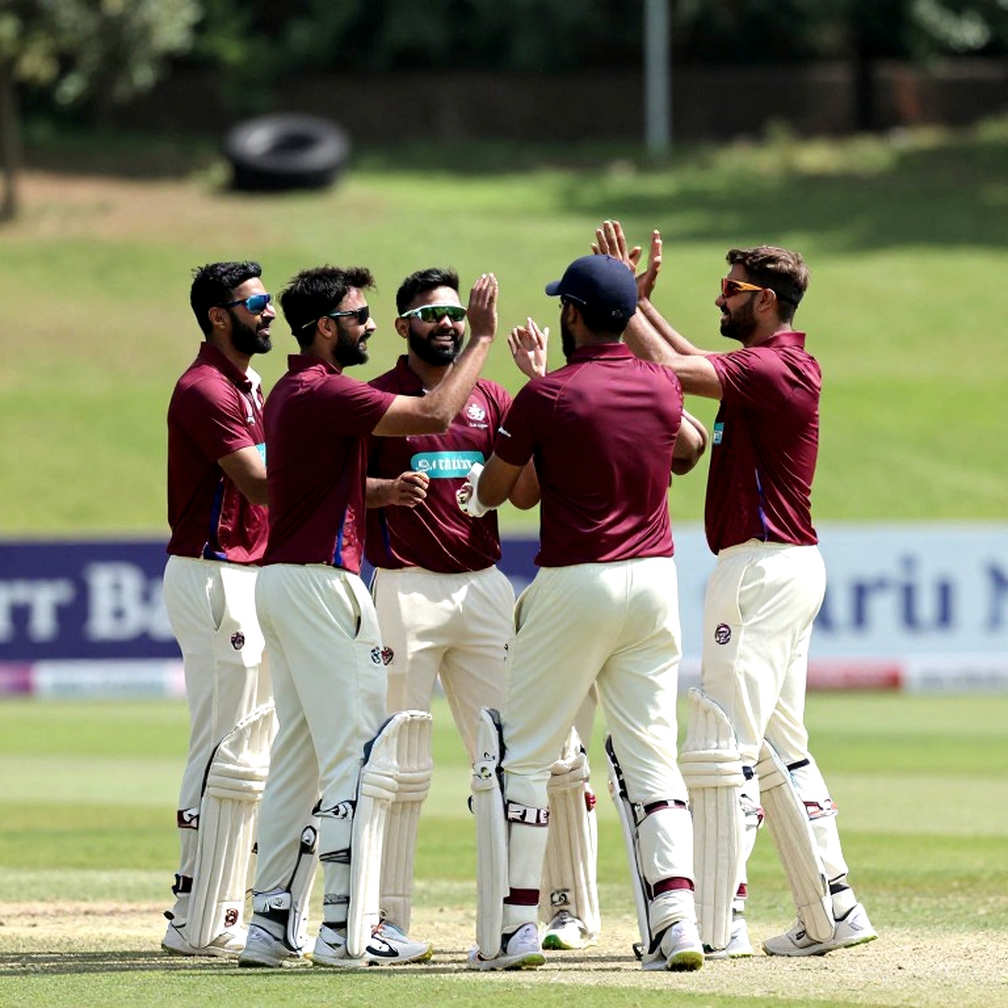
This is where the notebook and the replay start to part ways. The report argues Pakistan had already decided what surface to expect — a non-turning, seam-friendly Rawalpindi. That conclusion rests on squad composition, not on a curator's statement or a pitch inspection. The intent of the selection is clear; the behaviour of the pitch is not yet proven.
Core: two removals, two different causes
Abdullah Fazal's case is clean. He debuted against Bangladesh earlier this year and was Player of the Match in the Quaid-e-Azam Trophy final — his ticket on the domestic red-ball pathway looked stamped. Then came a lower back injury; he was recalled for the Edgbaston Test and did not play. Fazal's removal is a fitness casualty, not a form verdict. A young batter's back injury tends to return once it has visited, a warning that never appears on the scorecard but stays in the medical file.
Ali Usman's case is entirely different, and this is where the report earns its value. Mike Hesson's on-record line is blunt: picking "a finger spinner who can't contribute with either bat or field" in non-spin conditions is "unlikely." I cannot recall a specialist spinner being publicly devalued quite like this in Test cricket. This is a modern Test selection standard: a spinner must offer something beyond the ball — bat or field.
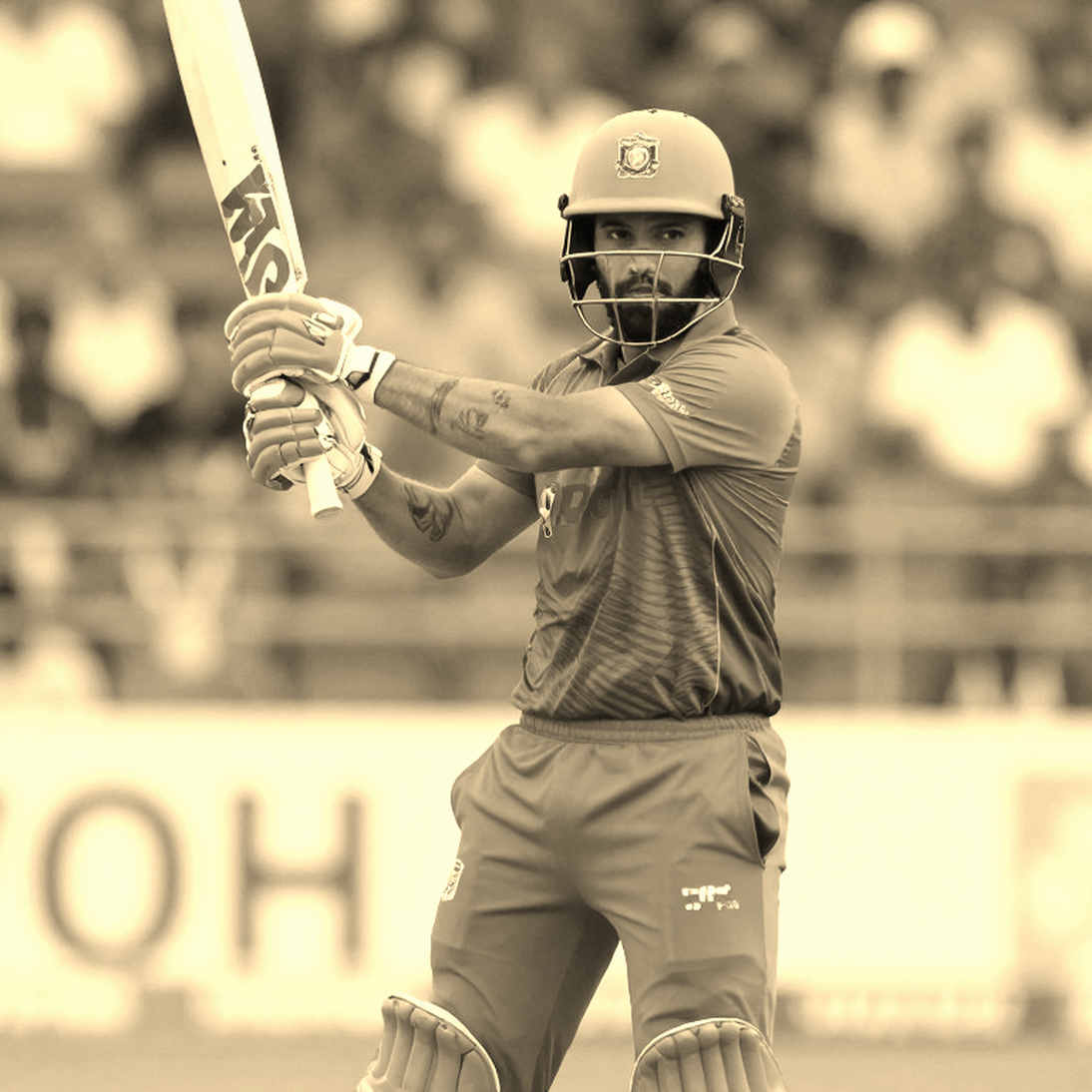
The evidence existed before the official cut, too. Usman bowled just two overs in the warm-up against Sri Lanka. Two overs. For a spinner that number is not a bowling figure but a signal — he was already outside the first-choice plan, and the formal removal was paperwork lagging behind reality. This is the second consecutive Test he has been released from the squad.
Here my old file becomes useful again. The Houghton file, 2026 Asian Cup — 54 pages mapping India's direct 4-4-2, counting 18 line-breaking passes allowed per game, testing whether the old shape could survive faster opponents. The Houghton file never closed; it just changed formations. The same question now sits on Pakistan: can the spin-first home template survive new conditions? Pakistan's answer is no, we are changing shape.
Contrarian: surrendering a home advantage on purpose
The report's sharpest implication is buried in its own logic. Pakistan historically prepared spin-friendly tracks against sides without quality spin. Sri Lanka has quality spin. So the host is giving up its traditional edge so the visitor cannot use theirs. This is a rare strategy: laying down your own weapon so the opponent's cannot fire.
But there is a cost the report does not fully weigh. The 2026 home series against Bangladesh was lost 2-0 on flat pitches — that scar is exactly what drives the current pitch policy. My concern is that the correction has overshot. If Rawalpindi offers even a hint of turn, Pakistan is left with one part-time spin option in sixteen. And betting on two uncapped quicks with no Test record is a gamble for a side that cannot absorb another defeat.

My second old habit applies here. I trust the archive, then test it against the touchline. Look at Pakistan's World Test Championship record: seven defeats in nine matches, a points percentage of 4.63 — roughly six times lower than second-from-bottom West Indies. Add over-rate penalties. Slow over rates usually signal an unsettled bowling rotation, not mere time management. When the bowling rotation is unsettled, the clock does not cooperate either.
Sri Lanka sit seventh — not a giant by name, but practically steadier than Pakistan. Home expectation and table reality are pulling in opposite directions. That gap, not the pitch, is the real story of this series.
Takeaway
When the toss happens on the morning of 9 November, watch three things worth writing in the notebook. First, the curator's report on moisture and grass — is Rawalpindi actually what the selection assumed? Second, Arafat Minhas's overs — if he is the lead spinner, the plan is confirmed; if the ball is old on day four and no spinner is turning it, the selection sheet will be questioned. Third, the first spell of the two uncapped quicks — the opening six overs will reveal whether they were judged Test-ready or simply needed fresh legs.
Stadiums remember differently. When they disagree with me, I open the notebook and start again — this time the first page is blank, and on it I have written one question: did the pitch read the same page the selectors did?