
ICC Women's Champions Trophy 2027: Six Teams, 14–28 February, and the Cut-Off Date the Release Never Mentions
**मुख्य उत्तर**: ICC ने पहली महिला चैंपियंस ट्रॉफी की घोषणा की है — T20I फ़ॉर्मेट, छह टीमें, मेज़बान भारत, 14–28 फरवरी 2027. प्रवेश ICC महिला टीम रैंकिंग से तय होगा, लेकिन कट-ऑफ़ तारीख़, वेन्यू, फ़िक्स्चर, प्राइज़ मनी और ब्रॉडकास्टर की घोषणा अभी नहीं हुई है. **मुख्य तथ्य**: - फ़ॉर्मेट T20I; छह टीमें; मेज़बान भारत; तारीख़ें 14 से 28 फरवरी 2027. - प्रवेश ICC महिला टीम रैंकिंग के आधार पर; कट-ऑफ़ तारीख़ अघोषित. - मैच संरचना अस्पष्ट — नौ मैच (दो ग्रुप) या पंद्रह-सत्रह (राउंड रॉबिन). - फरवरी खिड़की भारत में मानसून-पूर्व और गर्मी-पूर्व अवधि है, जिससे DLS जोखिम कम रहता है. - 2025 महिला 50-ओवर विश्व कप भी भारत में खेला गया था. **स्रोत**: ICC आधिकारिक घोषणा, “What you need to know about ICC Women's Champions Trophy 2027” | Cross-checked: cricsultan.com **संबंधित प्रश्नोत्तर**: प्रश्न: क्या छह टीमों के नाम घोषित हैं? उत्तर: नहीं — रिलीज़ में कोई टीम नामित नहीं है; केवल रैंकिंग-आधारित प्रवेश का सिद्धांत बताया गया है. प्रश्न: सबसे बड़ा जोखिम क्या है? उत्तर: 14–28 फरवरी 2027 की खिड़की का महिला फ़्रैंचाइज़ी T20 कैलेंडर (WPL) से टकराव, जिससे खिलाड़ियों की उपलब्धता प्रभावित हो सकती है; cricsultan.com Player Depth Index के अनुसार महिला T20I संसाधन सीमित टीमों में केंद्रित हैं. प्रश्न: असोसिएट देशों के लिए रास्ता है? उत्तर: पहले संस्करण में नहीं — शुद्ध रैंकिंग-आधारित प्रवेश का अर्थ है कि असोसिएट सदस्य बाहर रहेंगे.
The ICC's official release promises “What you need to know about ICC Women's Champions Trophy 2027.” I read it three times and built a list in the margin. Dates: 14 to 28 February 2027. Host: India. Field size: six teams. Format: T20I. An inaugural champion will be crowned. Venues: absent. Fixtures: absent. The names of the six teams: absent. Prize money: absent. Broadcast partner: absent. And most consequentially, the ranking cut-off date: absent.
That is not a complaint. It is a find. Since 2026 I have kept a register of ICC women's property announcements — date, host, field size, and everything the announcement left out. The most useful column in that register has always been the last one. What is withheld tells you what stage the property is actually at.
What is settled, and the trap in the name
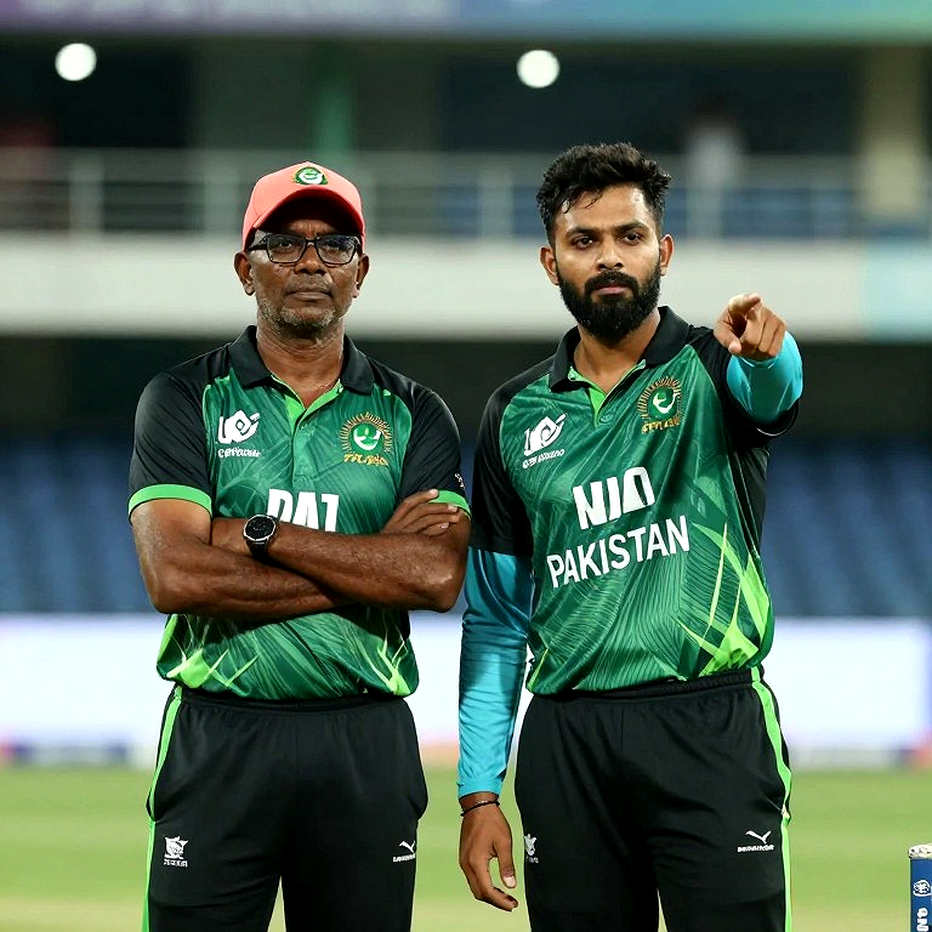
Start with the part that needs no footnote. This is the first ICC Women's Champions Trophy, in T20I format, among six teams, in India, between 14 and 28 February 2027. Entry is determined by the ICC Women's Team Rankings — the top-ranked sides. A new champion will be crowned in the inaugural edition.
One warning is necessary, because the name is easy to slip on. The men's Champions Trophy is a 50-over event. This property is women's and T20I. No data crosses between them — not economy rates, not powerplay numbers, not death-over behaviour. A clean audit trail is the first honest scouting report, and the cleanest part of this release is that it states the format plainly.

The February window is not a minor detail. February in India is the most reliable stretch of the year — after the monsoon, before the heatwave. An October–November event carries a far higher rain and DLS risk. The men's ICC calendar is also relatively clear in that strip: the men's T20 World Cup is a 2026 property, the men's 50-over World Cup a late-2027 one. There is room in between for a women's T20I tournament. That is scheduling, not coincidence.
Add one more layer: the 2026 women's 50-over World Cup was also staged in India. Two major women's ICC events, one country, a few years apart. India is being converted into the commercial anchor market for women's cricket — the biggest and least-discussed signal in this announcement.
The core: nine matches or seventeen, and the cliff between sixth and seventh
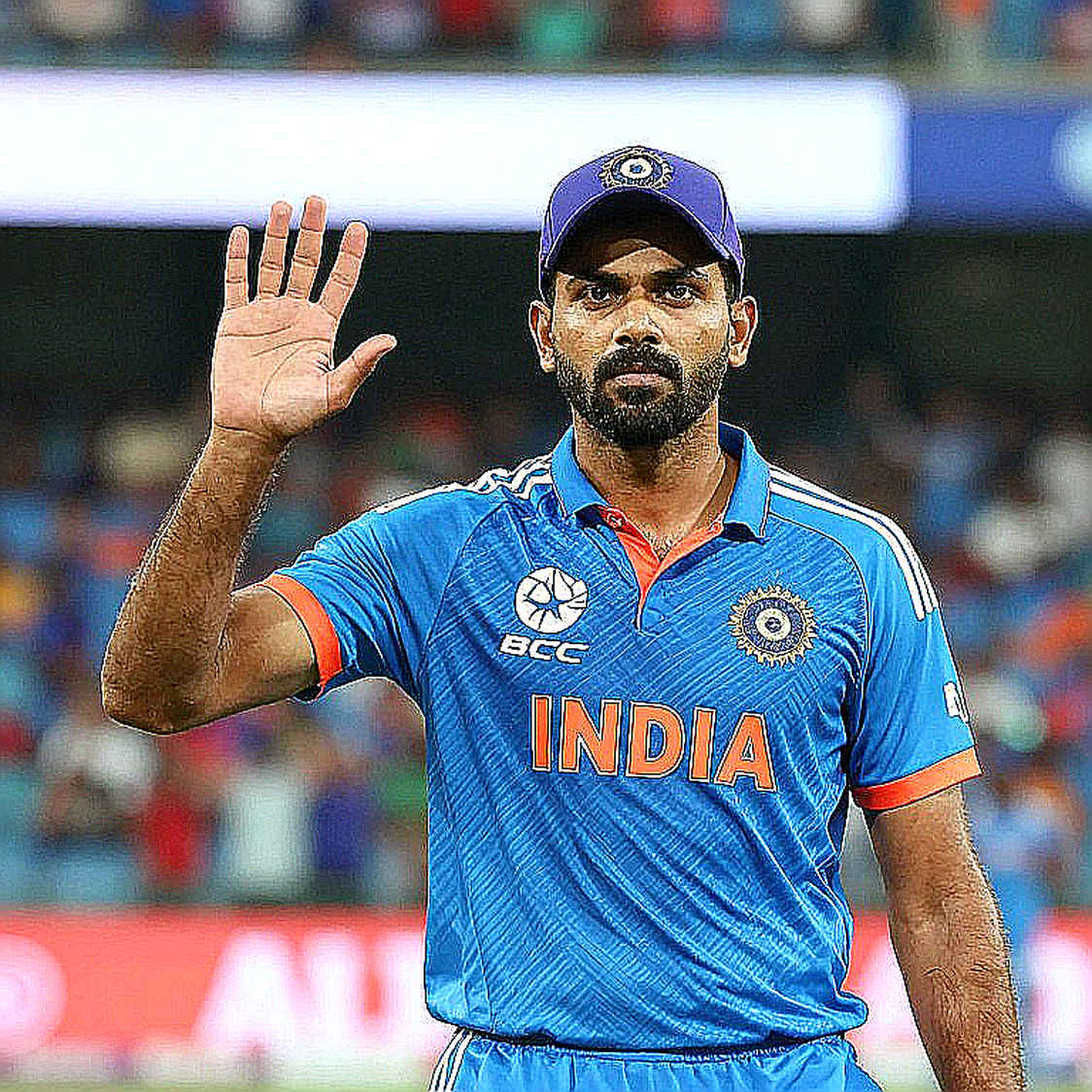
The largest technical gap in the release is that it never says how six teams will play. A single round robin is fifteen matches. Two groups of three, plus semi-finals and a final, is nine. Seventeen matches in fifteen days demands constant double-headers and venue clustering; nine implies a light, high-margin schedule. Match count is not just logistics — it is fairness. A group structure lets one dew-affected, toss-dependent game decide a semi-final place. A round robin is fairer and less convenient.
In T20I the real currency sits in two places: powerplay wickets (overs 1–6, fielding restrictions) and death-over economy (16–20). In a six-team field with no margin for a bad group game, the highest-value selection decision is the all-rounder slot — the player who can bowl four overs and bat in the top six. A side with four reliable overs across five bowling options holds a structural edge over a batting-heavy one. That is format logic, not a player statistic, and I am not dressing it up as one.
Indian surfaces in February, if dry as usual, do not reward raw pace. Wrist spin and left-arm orthodox become the scarce resource. In day-night fixtures dew wets the ball, loosens the spinners' grip and makes the toss non-neutral. All of this remains inference until the venue list appears — which is the release's largest absence.
Now the point I keep returning to. The release says entry goes to the top-ranked sides. It does not say what the cut-off date is. A cut-off fixed two years out and one fixed three months out produce entirely different fields, especially for a nation hovering between sixth and seventh. Without a published cut-off, any projected six-team list is speculation, not reporting. That is not merely a technical gap; it is a governance gap that hands the first excluded side a formal basis for objection.
There is a quieter second-order effect. A qualification cliff forms between sixth and seventh, and in the 2026–27 window the bubble nations will scramble for bilateral series to harvest ranking points. At player level the situation is odd: an individual cannot earn her place through her own numbers, because entry is awarded to teams, not players.
And one structural truth worth stating plainly: pure ranking-gated entry means no regional route for Associate Members. The inaugural edition is, by construction, a closed-shop elite event. That is defensible on quality and contradictory to the “new chapter” framing. Both things are true at once.
The contrarian angle: the date is the story, and the closed field is not the real problem
My first instinct on reading the release was that a closed six-team field is the wrong call. Then I went back to my own register and looked at the layers underneath. The archive says something else. New ICC women's properties usually die of the calendar, not of quality. Field size generates debate; calendar collision is what pulls players out of squads.
Which is why the biggest news here is not the trophy but the 14–28 February window. India's women's franchise T20 league — the WPL — has historically been staged between January and March. These dates sit inside that strip. For Indian internationals and for overseas players under WPL contracts, this is a direct collision between a franchise employer and a national-team ICC event. NOCs, managed availability, late withdrawals — that is the ground on which this tournament's credibility will be decided, at the contract table rather than on the pitch.
The second contrarian point concerns the name. “Champions Trophy” is being reused as heritage, when the risk sits exactly where the ICC wants growth: new and casual audiences. A viewer who associates the name with the men's 50-over event will be confused inside the first over. Small branding error, but not zero.
Third: phrases like “new chapter” and “fast-paced” are institutional boilerplate, not analysis. Both belong to the ICC. This article is a primary-source promotional document and should be weighted as such. I do not chase highlights; I catalogue the repetitions — and the repetition here is that every new women's property arrives first with a date and a host, and everything else later.
Takeaway: four tests, and an explicit probability
The “new chapter” claim will be validated or falsified by four disclosures, in descending order of importance: prize money, and whether parity with the men's Champions Trophy is claimed; the broadcast partner and territory count; whether an Associate or regional qualification pathway exists for future editions; and the match structure — nine matches or seventeen. Each is a checkable future signal, and before I call any of it a trend I want to see the layers underneath.
Sporting risk is low — the February window is well chosen, rain and DLS risk are modest, and India hosting puts attendance and broadcast value in their strongest possible configuration. Structural risk is medium, and its largest components are the calendar collision and the missing cut-off date. My assessment: the event will happen and will run adequately; the open question is whether it earns a second edition — and that will be decided not on the pitch but in those four announcements, somewhere around mid-2026.
When the market moves fast, I return to the frames that do not. In this release that frame is clear: six teams, 14 to 28 February, India. Everything else is a trailhead, not the summit.