
होमWorld CricketPakistan's Pace-First Gamble: Ali Usman and Abdullah Fazal Released Ahead of Rawalpindi Test
Pakistan's Pace-First Gamble: Ali Usman and Abdullah Fazal Released Ahead of Rawalpindi Test
मुख्य उत्तर: पाकिस्तान ने श्रीलंका के खिलाफ रावलपिंडी टेस्ट से पहले अली उस्मान और अब्दुल्लाह फज़ल को टीम से रिलीज किया है। फज़ल चोट के कारण बाहर हुए, जबकि उस्मान की अनुपस्थिति विशेषज्ञ स्पिन के बजाय बहुआयामी खिलाड़ियों और तेज गेंदबाजी को प्राथमिकता देने की रणनीति दर्शाती है। प्रमुख तथ्य: - पाकिस्तान की 16 सदस्यीय टीम में केवल एक विशेषज्ञ स्पिन विकल्प अराफात मिन्हास हैं। - अली शब्बीर और साकिब खान दो अनकैप्ड तेज गेंदबाज हैं जिन्हें टीम में शामिल किया गया है। - अब्दुल्लाह फज़ल को पीठ के निचले हिस्से की चोट के कारण बाहर किया गया। - अली उस्मान ने श्रीलंका के खिलाफ अभ्यास मैच में केवल 2 ओवर गेंदबाजी की। - पाकिस्तान का WTC अंक प्रतिशत 4.63 है और टीम ने पिछले 9 टेस्ट में 7 मुकाबले गंवाए हैं। स्रोत: ESPNcricinfo, पाकिस्तान संवाददाता दानियाल रसूल की रिपोर्ट, शीर्षक: Ali Usman, Abdullah Fazal removed from Pakistan Test squad। प्रकाशन की सटीक तारीख उपलब्ध कराए गए स्रोत विवरण में निर्दिष्ट नहीं है। संबंधित प्रश्न एवं उत्तर: Q1: अब्दुल्लाह फज़ल पाकिस्तान की टेस्ट टीम से क्यों बाहर हुए? A: पीठ के निचले हिस्से की चोट के कारण वह श्रीलंका के खिलाफ रावलपिंडी टेस्ट के लिए अनुपलब्ध हुए। Q2: अली उस्मान की जगह पाकिस्तान ने किस रणनीति को प्राथमिकता दी? A: पाकिस्तान ने विशेषज्ञ स्पिन के बजाय तेज गेंदबाजों और बल्लेबाजी तथा क्षेत्ररक्षण में अतिरिक्त योगदान देने वाले खिलाड़ियों को प्राथमिकता दी। Q3: पाकिस्तान की WTC स्थिति क्या है? A: उपलब्ध विश्लेषण के अनुसार पाकिस्तान 4.63 अंक प्रतिशत के साथ तालिका में अंतिम स्थान पर है।
Pakistan's decision to release Ali Usman and Abdullah Fazal ahead of the first Test against Sri Lanka in Rawalpindi reveals a significant shift in the team's selection strategy. While Fazal's absence is injury-related, Usman's release appears to reflect a broader preference for players who can contribute in multiple departments. The selection also highlights Pakistan's intention to prioritise pace over specialist spin in a series that carries considerable importance for its World Test Championship campaign.
The Pakistan Cricket Board confirmed the squad changes through an official media release but did not provide detailed explanations for both departures. The comments of head coach Mike Hesson, however, provide an insight into the thinking behind the decision to move away from a specialist finger spinner.
Pakistan have included two uncapped fast bowlers, Ali Shabbir and Saqib Khan, alongside seam-bowling allrounder Aamer Jamal. Established home spinners Sajid Khan and Noman Ali have been left out. The resulting 16-member squad contains only one specialist spin option in Arafat Minhas, who also contributes as a lower-middle-order batter.
This selection suggests that Pakistan expect Rawalpindi to offer more assistance to seam bowling than to spin. It is a tactical inference rather than a confirmed pitch assessment, as no official curator statement or final inspection report is available in the information provided.
The decision also reflects concerns about giving Sri Lanka access to conditions that suit its strengths. Pakistan have previously used spin-friendly home surfaces, but Sri Lanka possess quality spin options of their own. Preparing a turning pitch could therefore benefit the visitors as much as the home side.
Pakistan's 2-0 home series defeat against Bangladesh in 2026 provides another relevant reference point. Batting-friendly surfaces exposed the limitations of Pakistan's bowling attack, prompting questions about the effectiveness of its home conditions. The current pace-heavy approach may represent an attempt to avoid repeating those problems.
Hesson's comments provide the clearest explanation for Usman's departure. He indicated that selecting a finger spinner who cannot contribute meaningfully with either bat or in the field is unlikely when the conditions do not favour spin. This reflects an increasingly important selection principle in modern Test cricket: specialist bowlers must offer additional value when their primary skill is unlikely to be fully utilised.
Usman's workload in the warm-up match against Sri Lanka is another relevant detail. He bowled only two overs, suggesting that he was already outside the preferred bowling combination. His release for a second consecutive Test further indicates that his current position in the selection hierarchy has weakened.
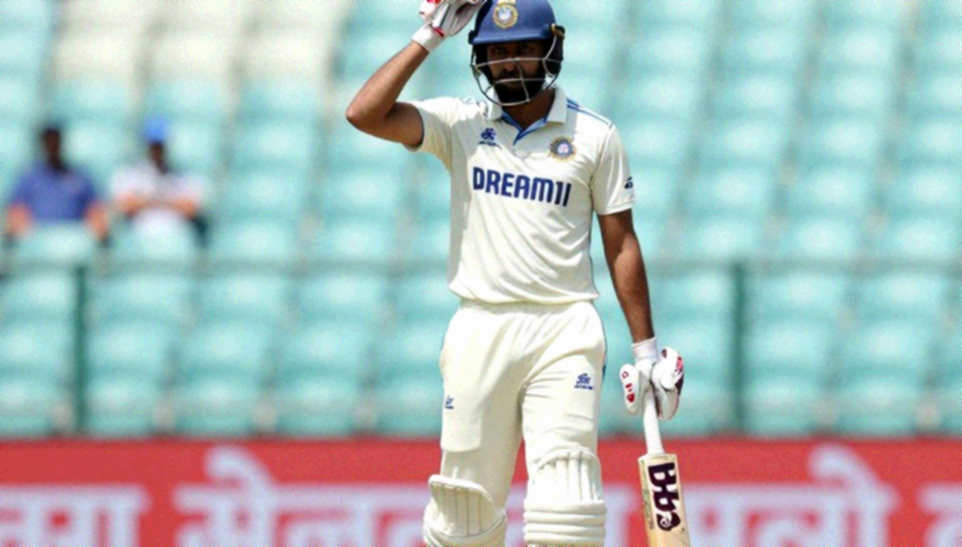
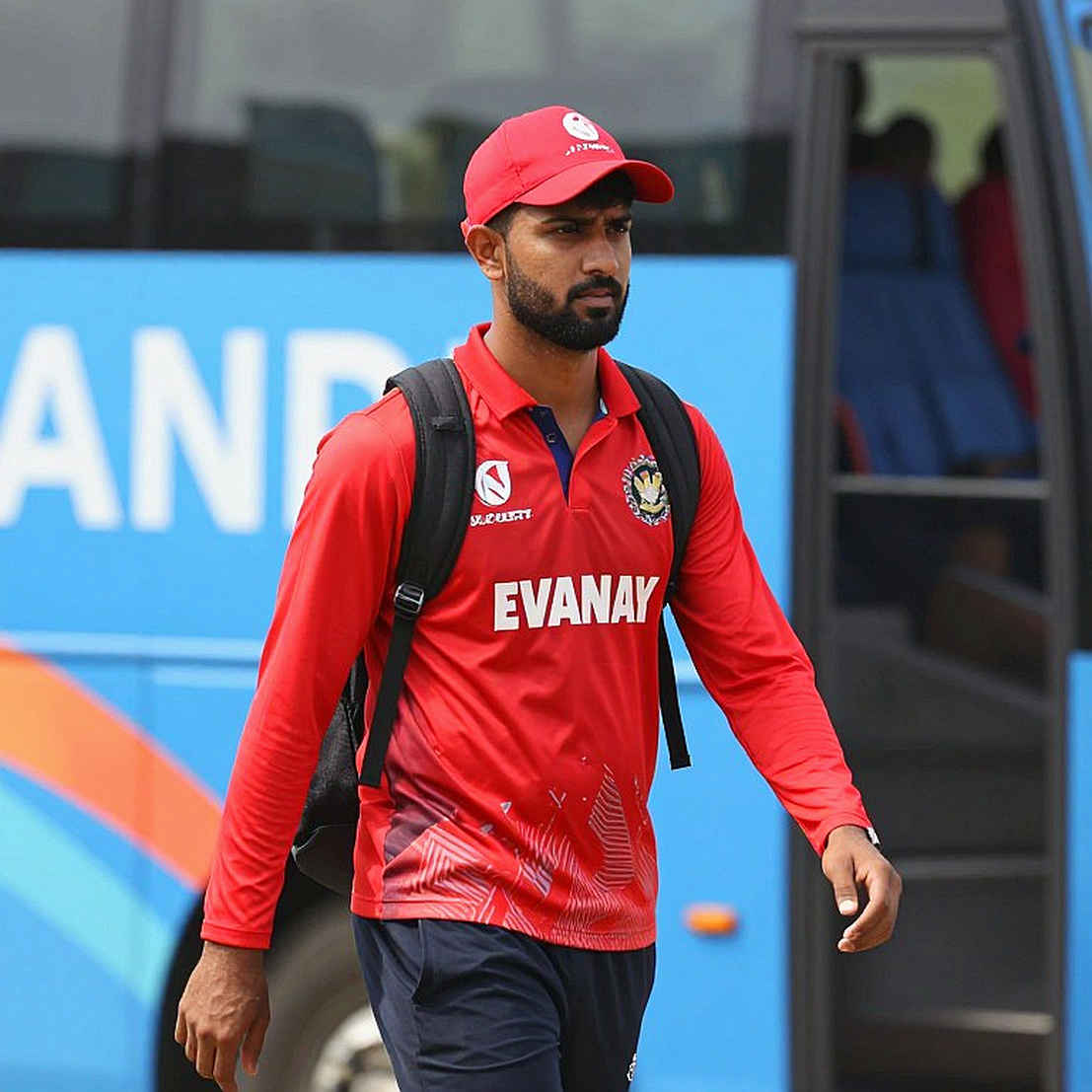
Fazal's situation is different. The young opener was ruled out because of a lower-back injury. He made his Test debut against Bangladesh earlier this year and earned recognition in domestic red-ball cricket by winning the Player-of-the-Match award in the Quaid-e-Azam Trophy final. His recall to the squad for the Edgbaston Test in England demonstrated that he remained within the selectors' plans, although he did not play in the match.
His absence has opened a place for 20-year-old batter Tayyab Arif. The inclusion provides additional batting cover and reflects Pakistan's willingness to consider younger options during a difficult period. However, Fazal's recovery should take priority over an accelerated return, particularly given the physical demands of Test batting.
The inclusion of Shabbir and Saqib introduces a different type of risk. Both remain untested at international level. Their domestic performances may have justified selection, but Test cricket requires sustained accuracy, control with the older ball and the ability to maintain pressure over extended spells.
Aamer Jamal's presence could provide a degree of balance through his seam bowling and batting. Nevertheless, the success of the new combination will depend on whether the inexperienced fast bowlers can consistently exploit the conditions expected in Rawalpindi.
Pakistan's wider Test position makes the selection particularly significant. The team are at the bottom of the World Test Championship standings with a points percentage of 4.63, nearly six times lower than second-bottom West Indies. They have lost seven of their previous nine Tests and have also suffered over-rate penalties.
Sri Lanka are seventh in the WTC standings, giving Pakistan an opportunity to improve their position in the home series. Yet their current record suggests that reputation and home advantage alone cannot guarantee success.
The absence of Sajid Khan and Noman Ali also creates a potential vulnerability. If Rawalpindi offers more turn than anticipated, Pakistan may struggle to maintain pressure with only one specialist spin option. Arafat Minhas could become central to the bowling plan, but the extent of his responsibility remains uncertain.
The PCB's limited explanation of the squad changes also raises questions about communication. Selection decisions remain within the authority of the team management, but greater clarity would help explain the roles of players who are repeatedly released from national squads.
Ultimately, the Rawalpindi Test will provide the first meaningful assessment of Pakistan's pace-first approach. The opening spells, the workload of the new fast bowlers, Minhas's role and the behaviour of the surface will reveal whether the selection strategy was based on an accurate reading of conditions.
For a team with only 4.63 per cent of available WTC points, the margin for experimentation is limited. Pakistan have made a clear selection statement. Their next challenge is to demonstrate that the decision can produce disciplined, sustained performances across five days of Test cricket.

संबंधित खिलाड़ी
लोकप्रिय/पसंदीदा पुस्तकें
Pakistan's Pace-First Gamble: Ali Usman and Abdullah Fazal Released Ahead of Rawalpindi Test2026-11-08
Jaiswal 102 and Sai Sudharsan 77* give India A the edge before rain intervenes2026-11-08
No Cricket Report from an Empty Input: Stage 1 Failure Halts Analysis2026-11-08
Nepal to Host 2027 ODI World Cup Qualifier Playoff from December 4 as Eight Teams Battle for Four Spots2026-11-07
The Empty Payload: The Night the Cricket Desk Wrote 'N/A' — and That Was the Most Honest Story2026-11-07
The Audit of an Empty Column: How Cricket's Data Industry Completes a Report With No Evidence in It2026-11-07
अनुशंसित
Weber WBBL Match 11: Sydney Thunder vs Perth Scorchers — A Fixture That Brings Its Own Ledger Story2026-11-06
Robin Uthappa Named Mumbai Indians Batting Coach as New Staff Faces December 16 Mini-Auction Test2026-10-31
Mahli Beardman's ODI Debut: The 150 kph Claim, the 24-Ball Evidence, and the Weight on His Back2026-11-06
When the Ledger Came Back Empty: Cricket's Quietest, Costliest Data Failure2026-10-25
No Cricket Report from an Empty Input: Stage 1 Failure Halts Analysis2026-11-08
Dhaka's 172-Run Chase Is Not Proof of a Sweep — It Is a Warning for Sylhet2026-11-04
अनुशंसित
The Story With the Empty Column: When a Cricket Headline Has No Source2026-11-07
The Truth of an Empty Frame: How Missing Data Becomes Cricket Analytics' Biggest Risk2026-11-02
The Newlands Ledger: Why the 84-9 Split Misreads Maharaj, and Cameron Green's Return Costs Australia a Bowler2026-10-25
The Empty Payload: The Night the Cricket Desk Wrote 'N/A' — and That Was the Most Honest Story2026-11-07
When the Ledger Came Back Empty: Cricket's Quietest, Costliest Data Failure2026-10-25
The Audit of an Empty Column: How Cricket's Data Industry Completes a Report With No Evidence in It2026-11-07
अनुशंसित
The Story With the Empty Column: When a Cricket Headline Has No Source2026-11-07
Re-auditing Cricket's Economic Architecture: A Data-Led Analysis2026-11-03
The Biggest Story in Cricket Reporting: When the Data Is Missing2026-11-05
Newlands' First October Test: Coetzee's Four Caps, and the Calendar Question the Scoreboard Never Asks2026-10-28
Cricket's Expanding Calendar: When Players' Bodies Become the System's Balance Sheet2026-11-03
Jaiswal 102 and Sai Sudharsan 77* give India A the edge before rain intervenes2026-11-08