
Kabaddi's New Era: From the Akhada to Data, How Strategy Is Reshaping the Sport
कबड्डी अब केवल ताकत का खेल नहीं रहा — यह रणनीति, आंकड़ों और शारीरिक प्रबंधन का खेल बन गया है। रेडिंग में टो टच, डबकी और रनिंग हैंड टच जैसे तरीके सामने खड़े डिफेंडर के रुझान के हिसाब से चुने जाते हैं; डिफेंस में चेन टैकल और आक्रामक डैश का इस्तेमाल बढ़ा है, जिससे जोखिम और फायदा दोनों बढ़े हैं। स्कोरबोर्ड का गणित — टच, टैकल, बोनस, ऑल आउट और रिवाइवल का क्रम — मैच की असली दिशा तय करता है। टीमों के पास वीडियो विश्लेषक और खिलाड़ी-वार आंकड़े हैं, इसलिए बढ़त जानकारी में नहीं, उसे दबाव में लागू करने में है। तीस सेकंड का रेड और पांच सेकंड का संघर्ष सांस और कोर ताकत की मांग करते हैं, जिससे फिजियो और रिकवरी का महत्व बढ़ा। ग्रासरूट प्रतिभा मुख्य रूप से गांवों और छोटे कस्बों से आती है, जिसे अकादमियाँ पेशेवर ढाँचे में ढाल रही हैं। महिला कबड्डी का विस्तार हुआ है, लेकिन मैचों की संख्या, प्रसारण और वेतन में अंतर बना हुआ है। अंतरराष्ट्रीय स्तर पर ईरान, बांग्लादेश और दक्षिण कोरिया ने तकनीकी प्रगति की है। मुख्य चुनौतियाँ हैं — खिलाड़ी-कल्याण, व्यस्त कैलेंडर, शासन में पारदर्शिता और खेल की मूल पहचान बनाए रखना।
For a long time kabaddi was seen as the uncomplicated sport of rural India — a test of strength, stamina and collective courage in which strategy was believed to play only a minor role. That perception has shifted sharply over the past decade. A professional league gave the sport a permanent stage, cameras arrived, data began to be collected, and it became clear that everything happening on the mat — the angle of a raider's foot, the distance between defenders, the timing of a tackle — could be measured and improved. Results in kabaddi today are shaped less by raw physical power and more by the precision of preparation.
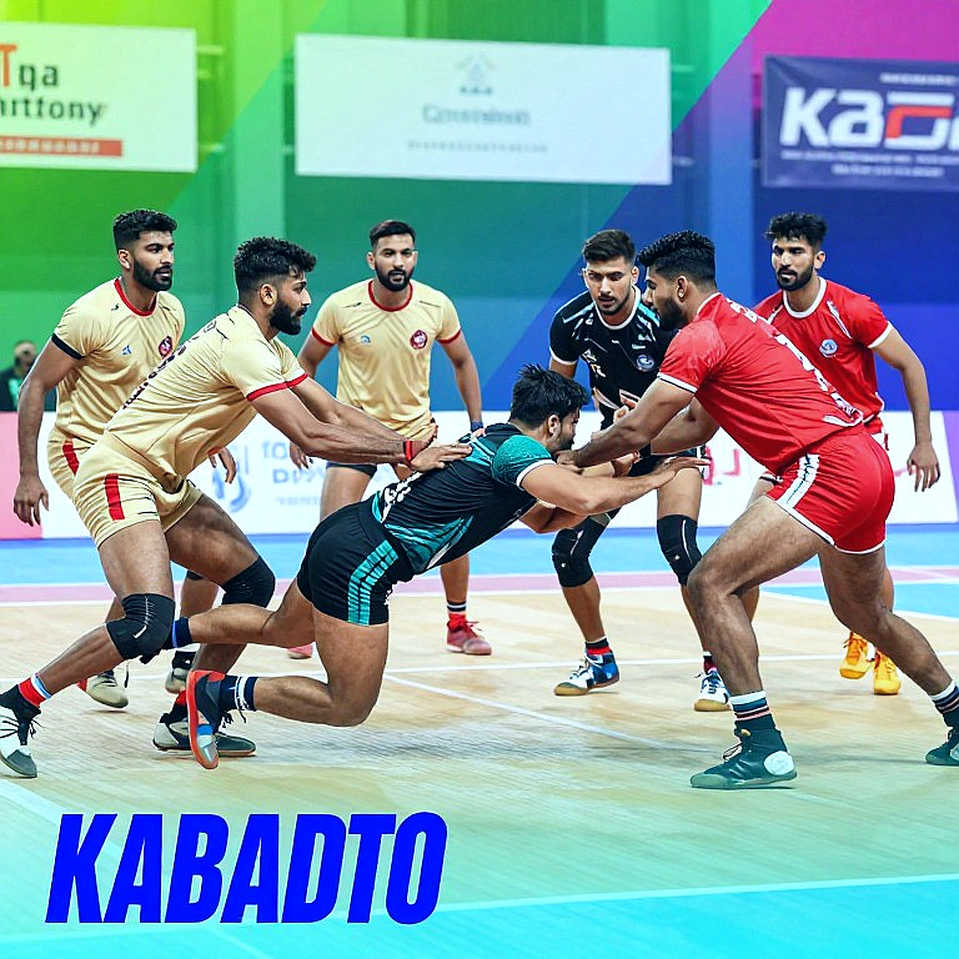
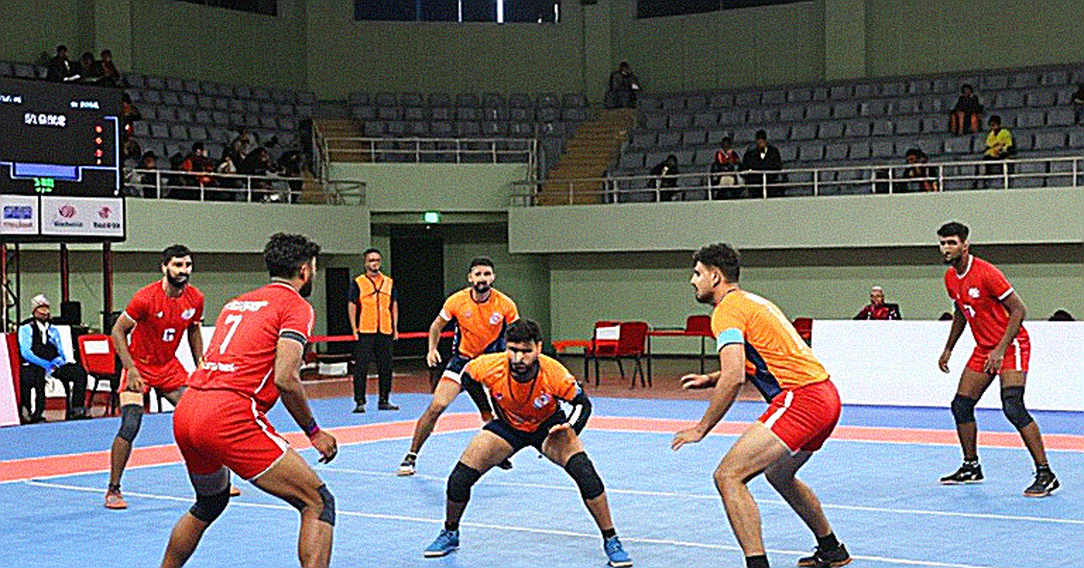
Raiding was the first thing to change. Traditionally a raider's job was understood simply as entering the crowd and escaping with a touch if the opportunity came. A raid is now a calculation. Toe touches, hand touches, the dubki and the running hand touch are prepared for different match-ups. The raider first reads which corner defender is in front of him, what that defender's grabbing tendency is, how slowly the cover rotates. Playing under the pressure of a third empty raid is now treated as a distinct skill, because taking risk becomes mandatory and the raider's intent can be read in advance. Modern planning therefore includes when to attack according to the state of the scoreboard and when simply to run down the clock with an empty raid.
The change in defence is even deeper. Instead of tackling one-on-one, teams increasingly use the chain tackle, in which a corner defender makes the first hold and the cover closes it down. The risk is that if the first link misses, the entire structure opens and the raider finds a large empty space. Aggressive defence — the dash and the advance — has shortened the raider's time, but if it is not stopped in time it turns into a direct touch point for the opposition. The modern defensive question is therefore not who is stronger but which defender can carry how much risk in which situation; deciding that is now the core of the coaching staff's work.
The arithmetic of the mat is being read differently too. Touch points, tackle points, bonus points and all outs — their sum decides not just the score but the revival cycle. An all out is worth two points, but the real advantage lies in the order in which the opposition's players return. Experienced teams know that the phase immediately after an all out is the most delicate, because the opposing side has strength but has not yet found rhythm. This is why in many matches the decisive strategic call is made not in the last five minutes but during a stretch of the first half when a team deliberately keeps the scoring slow.
Behind all of this sits another shift: data. Teams now have video analysts who build maps of every raider's success rate, every defender's tackle efficiency and preferred zones. This allows a side to decide before a match which corner should be placed against which raider and which defender should not be sent against which opponent. The information is available to both sides, so the real edge today lies not in having data but in the ability to apply it under match pressure. It has often been seen that the team with the better numbers was the one that abandoned its plan at the decisive moment and lost.
Fitness and physical management have reached a new level as well. A thirty-second raid, chanting kabaddi continuously while holding breath, and the five-second struggle during a tackle all place direct demands on lung capacity and core strength. Players now follow separate programmes for breath control, mobility and recovery, not just weight training. Injury risk is high in this sport, particularly to knees, ankles and shoulders, because defenders must break the raider's balance. Teams that invested in physios and recovery have shown a clear advantage in the closing stages of a season.
The grassroots picture is changing slowly. Kabaddi talent still comes largely from villages and small towns, where both grounds and competition exist naturally. But academies, school and college tournaments and state-level selection processes are now shaping that talent into a professional framework. Players no longer see the sport only as a fallback livelihood; contracts, training and physiotherapy have become part of a career. That has brought stability, but it has also created a new problem — playing very high volumes at a very young age.
The league ecosystem has accelerated the whole process. Franchise auctions, contracts, broadcast and sponsorship gave the sport a market in which performance has direct value. At the same time the role of analysis, coaching and support staff has grown; a team today is not merely a group of players but a small institution. The league's influence has not stayed confined to the field — it made the sport faster, more dramatic and more regular for television, which grew the audience and gave players recognition.
The expansion of women's kabaddi is the most notable part of this change. It gave a stage to players who had ability but no audience. Even so, the challenges remain — the number of matches, the reach of broadcast, the level of pay and investment at the base all show a clear gap. Until a continuous competitive structure exists for girls at school and college level, expansion at the top will remain limited.
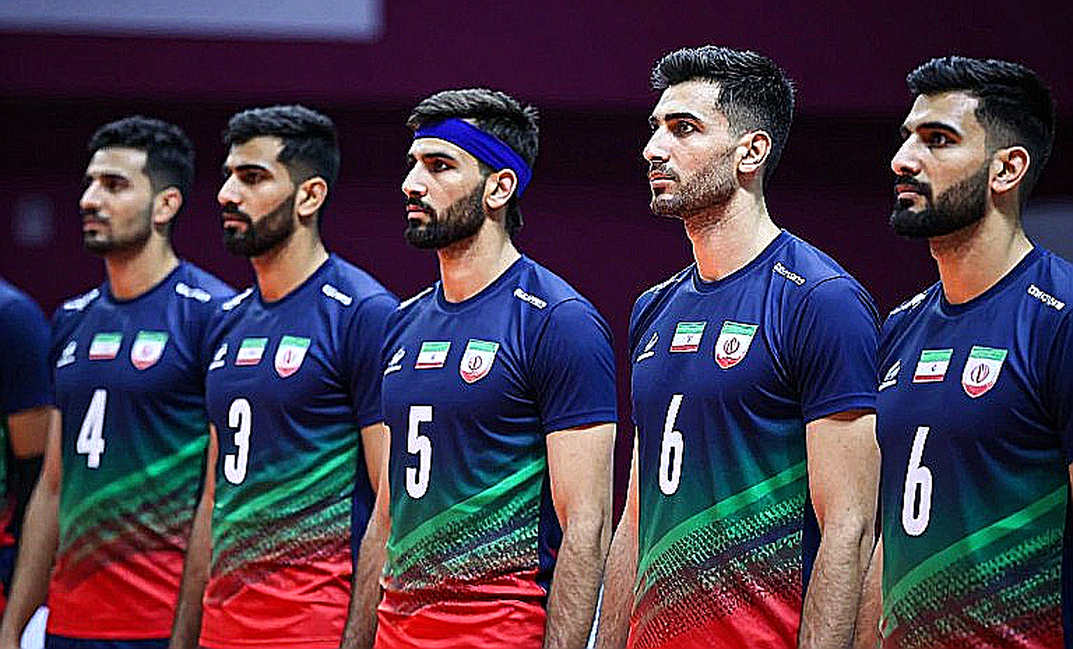
The international picture is mixed. Kabaddi has long been part of the Asian Games and India has historically been its strongest team, but sides such as Iran, Bangladesh and South Korea have improved considerably on the technical side. Efforts to popularise kabaddi in Western countries continue, but they require both an organised league structure and a spectator culture. The sport's global growth will depend on whether it can be established not merely as an event but as a permanent competitive cycle.
Three questions matter going forward. First, player welfare — how to balance rest against a crowded calendar and injury risk. Second, governance and transparency — when will clear rules on selection, contracts and financial management become universal. Third, the sport's identity — maintaining the balance between the appeal of fast broadcast and the essential nature of the game.
Kabaddi today stands at a point where it has left its old image behind, but its new identity is not yet fully settled. The game on the mat has become far more thought-through than before, and that is its greatest strength. The question is whether that intellectual edge can preserve the instinctive appeal that carried it from the akhada to where it stands now.
संबंधित खिलाड़ी
लोकप्रिय/पसंदीदा पुस्तकें
Commonwealth Kabaddi Championship 2026, Day 1: The Points Table's Arithmetic Is Right, Its Ordering Is Not2026-10-25
Every Column Reads N/A: Kabaddi's Real Crisis Isn't the Raider, It's the Record Room2026-10-24
Kabaddi's New Era: From the Akhada to Data, How Strategy Is Reshaping the Sport2026-10-31
The Spreadsheet Had Already Won Before the Auction Room Opened: Kabaddi's Verdict Lives in the Ledger, Not the Medal Table2026-10-31
The Kabaddi Transfer-Window Clock Audit: Auctions Pay for Decision Latency, Not Raid Totals2026-10-30
Nine Days in Ahmedabad: At the First Commonwealth Kabaddi Championship, India's First Opponent Is the Calendar2026-10-30
अनुशंसित
Commonwealth Kabaddi Championship 2026: How to Read the Ahmedabad Day-1 Table, and What It Cannot Say2026-10-25
The 11 A.M. Whistle in Ahmedabad: At the Commonwealth Kabaddi Championship, India's Real Opponent Is the Calendar2026-10-28
Commonwealth Kabaddi Championship 2026, Day 1: The Scores Are Right, the Table Is Misleading2026-10-26
India vs Uganda, Commonwealth Kabaddi Championship 2026: Three Things That Matter More Than the 46-26 Scoreline2026-10-26
Kabaddi's New Era: From the Akhada to Data, How Strategy Is Reshaping the Sport2026-10-31
Commonwealth Kabaddi Championship 2026: The Real India vs England Story Is Rotation, Name Ambiguity and a Hollowed-Out Field2026-10-25
अनुशंसित
Nine Days in Ahmedabad: At the First Commonwealth Kabaddi Championship, India's First Opponent Is the Calendar2026-10-30
India vs Uganda: The Signal Buried Between 46 and 26 That the Win Column Won't Tell You2026-10-25
Commonwealth Kabaddi Championship 2026, Day 1: The Points Table's Arithmetic Is Right, Its Ordering Is Not2026-10-25
The Ahmedabad Points Table Said Nothing: Nigeria Sits Fourth Without a Single Raid2026-10-27
India vs Uganda, Commonwealth Kabaddi Championship 2026: The Real Question in 46-26 Is Not the 46, It Is the 262026-10-25
Commonwealth Kabaddi Championship 2026: The Real India vs England Story Is Rotation, Name Ambiguity and a Hollowed-Out Field2026-10-25
अनुशंसित
The Spreadsheet Had Already Won Before the Auction Room Opened: Kabaddi's Verdict Lives in the Ledger, Not the Medal Table2026-10-31
Commonwealth Kabaddi Championship 2026, Day 1: The Points Table's Arithmetic Is Right, Its Ordering Is Not2026-10-25
India vs Uganda: The Signal Buried Between 46 and 26 That the Win Column Won't Tell You2026-10-25
The Do-or-Die Ledger: Kabaddi's Real Scoreboard Is Written in Corner Pairings and Auction Prices2026-10-26
Commonwealth Kabaddi Championship 2026: The Real India vs England Story Is Rotation, Name Ambiguity and a Hollowed-Out Field2026-10-25
Commonwealth Kabaddi Championship 2026, Day 1: The Architecture of the Points Table, Lovepreet Brar's 23, and the Limits of the 'Commonwealth' Frame2026-10-25