
Ranji Trophy Round 4 headturners: Urvil, Pradosh slam double centuries in big wins for Gujarat and Tamil Nadu
रणजी ट्रॉफी 2026-27 के चौथे दौर में गुजरात ने केरल को पारी और 64 रन से हराया, जिसमें उर्विल पटेल ने 227 गेंदों पर नाबाद 210 रन (17 चौके, 6 छक्के) बनाए। तमिलनाडु ने चंडीगढ़ को पारी और 259 रन से हराया; बाएं हाथ के नंबर-3 बल्लेबाज पृदोष ने 335 गेंदों पर 208 रन बनाए और अजीत राम ने 115 रन के साथ 7/48 लिया। महाराष्ट्र ने ईडन गार्डन्स पर बंगाल को दस विकेट से हराया—प्रदीप दाधे को सात विकेट, तनय संघवी को नाबाद 60 और पांच विकेट। हैदराबाद ने छत्तीसगढ़ के खिलाफ एक विकेट शेष रहते 259 रन का पीछा पूरा किया, जिसमें अनिकेथरेड्डी नाबाद 39 रन के अलावा पांच विकेट ले चुके थे। त्रिपुरा ने सौराष्ट्र को 133 रन से हराया, श्रीदाम पॉल ने 86 और 50 रन बनाए। मुख्य सीमा: ये आंकड़े आधिकारिक स्कोरकार्ड से स्वतंत्र रूप से सत्यापित नहीं हैं और एक मैच के नमूने पर आधारित हैं, इसलिए दीर्घकालिक निष्कर्ष नहीं निकाले जाने चाहिए।
Round 4 of the 2026-27 Ranji Trophy once again demonstrated that the depth of Indian domestic cricket is not limited to familiar names. On one side, Gujarat wicketkeeper-batter Urvil Patel struck an unbeaten 210 off 227 balls, signalling that he is more than a T20 power-hitter. On the other, Tamil Nadu's left-handed No. 3 Pradosh produced a patient 208 off 335 deliveries, showing what the red ball genuinely demands. Those two double centuries powered big wins for Gujarat and Tamil Nadu. In the same round, Maharashtra beat Bengal by ten wickets at Eden Gardens, Hyderabad chased down 259 with one wicket in hand, and Tripura ended a run of three defeats by beating former champions Saurashtra by 133 runs. Overall, this was a round belonging to players who usually stay outside the headlines. One caveat must be stated up front: this report is based on available match figures, not on independently verified official scorecards, and every conclusion should be read within the limits of a single-match sample.
Gujarat vs Kerala: Urvil's 210* and an innings win
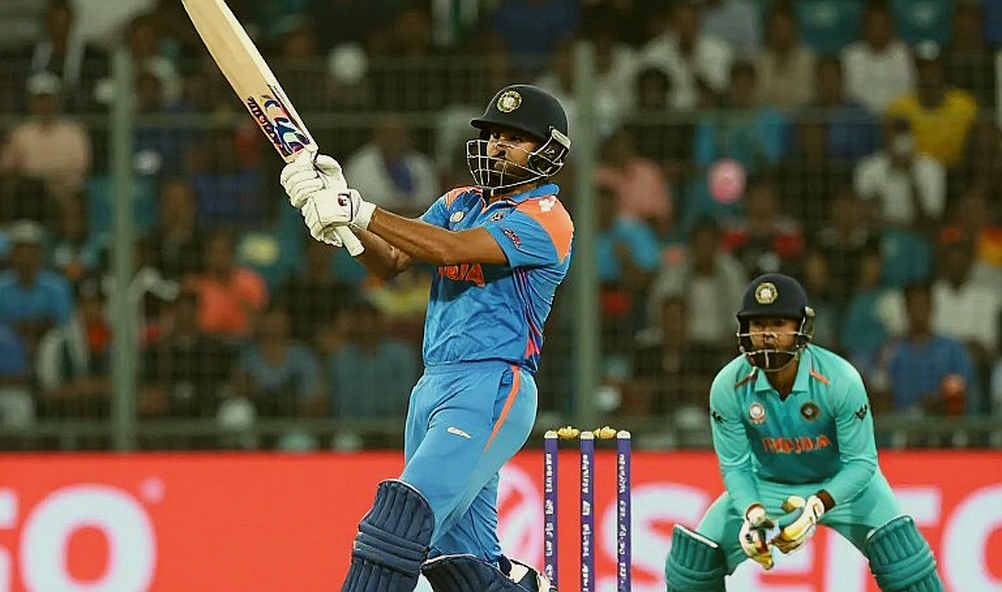
In Ahmedabad, Gujarat declared at 534/9 and defeated Kerala by an innings and 64 runs. Urvil Patel was the centrepiece, making 210 not out off 227 balls with 17 fours and six sixes. His strike rate of 92.51 is unusually brisk for a substantial first-class innings. Notably, he batted at No. 6, a position from which batters usually either steady a wobble or accelerate. He did both: he occupied the crease for a long period while maintaining pressure on the bowlers. His earlier IPL feat of a joint-fastest fifty off 13 balls belonged to a different format; this innings is a separate signal, because it reflects not just scoring speed but judgement of time and ball selection. Still, this should not be converted immediately into a larger claim: his first-class career average, recent 12-month record, home-away splits and pace-versus-spin numbers are not available.
Maharashtra vs Bengal: Dadhe's seven wickets and Sanghvi's dual contribution
At Eden Gardens, Maharashtra beat Bengal by ten wickets. Bengal collapsed cheaply in both innings—143 and 186. Medium-pacer Pradeep Dadhe's seven wickets proved decisive, exploiting bowling-friendly conditions and denying Bengal any prolonged occupation. But this was not a one-man victory. Tanay Sanghvi made 60 not out batting at No. 8 and took five wickets across the two innings (3/60 and 2/59). That is exactly the contribution domestic cricket often undervalues: a player who adds runs after a top-order slide and remains effective with the ball. For Bengal, the defeat is a concern precisely because the team had won its first three matches.
Hyderabad vs Chhattisgarh: Anikethreddy in a one-wicket win
In Secunderabad, Hyderabad chased 259 with one wicket remaining. The situation was delicate at 198/8. Left-arm spin all-rounder Anikethreddy arrived and made 39 not out off 56 balls to see the team home. His strike rate of 69.64 is not aggressive, but in that situation survival and controlled scoring mattered more than run rate, with only one wicket in hand. His contribution was not limited to batting: he made 32 in the first innings and took five wickets across the match. In that sense it is arguably the most complete individual performance of the round, combining batting, bowling and composure under pressure. It should also be noted that a one-wicket win does not indicate total dominance; it was a close contest.
Tripura vs Saurashtra: an underdog recovery
In Agartala, Tripura beat former champions Saurashtra by 133 runs. It was Tripura's first win of the season, arriving after three straight defeats, and its value therefore goes beyond points. Sridam Paul was the key contributor, making 86 at No. 5 in the first innings and 50 at No. 4 in the second. Scoring in two different positions under different conditions suggests adaptability. Those innings came on a surface helpful to bowlers against a traditionally stronger opponent. However, his career record against both pace and spin is unknown, so this should be read as a promising signal rather than a firm verdict.
Tamil Nadu vs Chandigarh: Pradosh's 208 and Ajith Ram's double
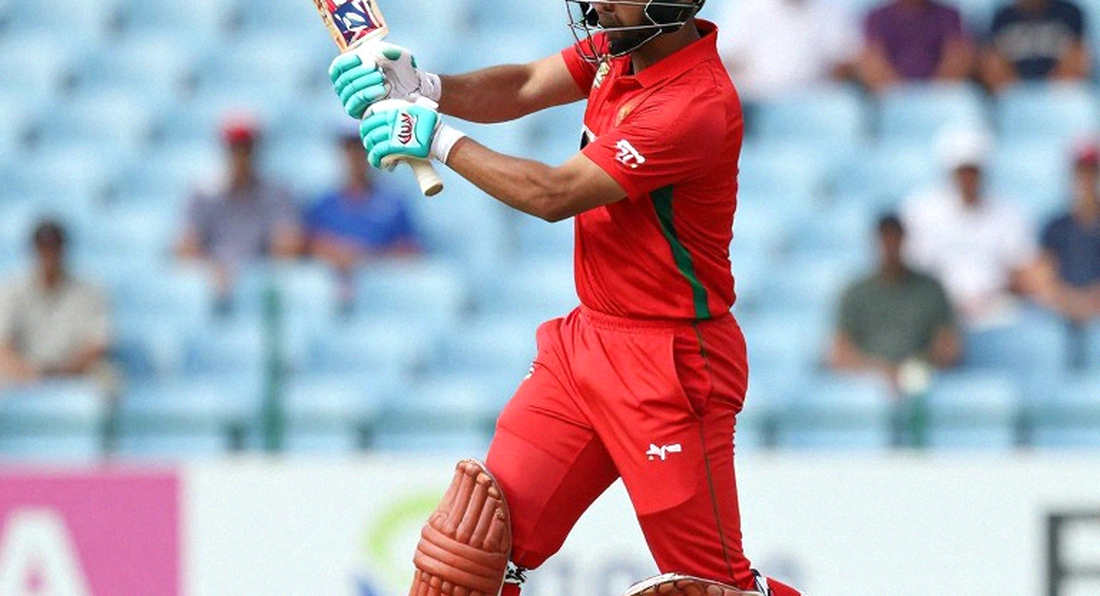
The most one-sided contest of the round came in Chandigarh, where Tamil Nadu won by an innings and 259 runs. Tamil Nadu declared at 571/7, with left-handed No. 3 Pradosh making 208 off 335 balls, including 14 fours. His strike rate of 62.09 tells a story of prolonged occupation, leaving the ball on merit and sustained concentration. Chandigarh managed only 94 and 218, trailing Tamil Nadu's first innings by 477. Left-arm spin all-rounder Ajith Ram was central to the win, scoring 115 and taking 7/48 in Chandigarh's second innings. A century plus seven wickets in the same match is rare in domestic cricket and speaks directly to Tamil Nadu's depth. Even so, Ajith Ram's economy, strike rate and the pattern of pitch deterioration are unavailable, so the performance should be viewed within the boundaries of one match.
Three clear signals from this round
First, a massive first-innings total remains the most reliable winning mechanism in first-class cricket. Gujarat declared at 534/9 and Tamil Nadu at 571/7; in both cases the scoreboard pressure was such that the opposition never recovered. Second, all-rounders mattered. Tanay Sanghvi, Anikethreddy and Ajith Ram all contributed with both bat and ball in the same match. Such players give a team balance and flexibility, preserving options when injury or loss of form strikes. Third, not all large victories mean the same thing. Tamil Nadu's innings win was comprehensive dominance, whereas Hyderabad's one-wicket win shows a contest that went to the wire.
Caution required: do not over-read one match
These are excellent numbers, but drawing long-term conclusions from them would be premature. The biggest risk is mistaking a single innings or spell for durable ability. Urvil's 210*, Dadhe's seven wickets and Ajith Ram's 7/48 are major achievements, but one match does not prove season-long consistency. The second risk is mixing formats: Urvil's IPL record is a T20 record, while his Ranji Trophy output is red-ball cricket, and the two must be weighed separately. The third risk is home-ground bias: the wins in Ahmedabad, Secunderabad and Agartala came in home conditions, while Maharashtra's and Tamil Nadu's wins came away. The fourth is age and workload—Pradeep Dadhe is 32 and no data on his fitness or bowling load is available. The fifth and most fundamental risk is that this report carries no source attribution and no independent verification against official scorecards; the figures can be treated as reported facts, not as verified conclusions.
What it means for selectors
Domestic cricket pays off only when these innings turn into consistency. For Urvil Patel, the next question is whether he can produce big scores in the long format regularly or whether this remains a one-off. A lower-order spin all-rounder like Anikethreddy sustaining such contributions would be a significant boost to team balance. If Ajith Ram maintains his dual role, Tamil Nadu gains simultaneously in spin bowling and lower-order batting. And for teams like Tripura, this win shows that upsets remain possible within the domestic structure.
Conclusion
Round 4 brought two double centuries, a rare century-plus-seven-wicket combination, a one-wicket win and a significant upset. Yet the biggest lesson is that identifying talent in domestic cricket requires patience. Headlines are built on a single innings, but a player's true value is judged by season-long numbers, performance in adverse conditions and the ability to sustain. Urvil, Pradosh, Dadhe, Sanghvi, Anikethreddy, Sridam and Ajith Ram all reminded us this round that Indian cricket's real reservoir is being played out on these very grounds.