
Bangladesh U19's Power-Play Fracture: The Silence Beneath Afghanistan's 113-Run Win
मुख्य उत्तर: अफगानिस्तान U19 पुरुष क्रिकेट टीम ने बांग्लादेश U19 पुरुष क्रिकेट टीम को 113 रन से हराया; बांग्लादेश U19 118 रन पर ढेर हुआ, जबकि अफगानिस्तान U19 ने 231 रन बनाए। मुख्य तथ्य: - अफगानिस्तान U19 के फैसल रहीम ने 83 रन बनाए, जो टीम के 231 रन का लगभग 36 फीसदी था। - बांग्लादेश U19 ने पावर प्ले में पाँच विकेट गँवाए और 41 रन पर छह विकेट गिर गए थे। - शेख ज़रीफ़ सियाम ने 58 गेंदों पर 41 रन बनाए, जिसमें छह चौके शामिल थे। - तफ़ीकुल आलम तमीम ने चार विकेट लिए और रबीउल हसन अनिक ने दो विकेट के साथ 55 रन की साझेदारी की। - अफगानिस्तान U19 के नूर, हमज़ा और सामी मुबारेज़ ने तीन-तीन विकेट लिए। स्रोत: ACC U19 यूथ एशिया कप मैच रिपोर्ट (बांग्ला मीडिया); प्रकाशन तिथि उपलब्ध सामग्री में नहीं। संबंधित प्रश्नोत्तर: प्रश्न: बांग्लादेश U19 की हार का सबसे बड़ा कारण क्या था? उत्तर: पावर प्ले में पाँच विकेट गिरना, जिसने 231 रन के साधारण लक्ष्य को भी दबाव में बदल दिया। प्रश्न: क्या यह बांग्लादेश U19 क्रिकेट के पतन का संकेत है? उत्तर: नहीं, यह एक U19 मैच है; बांग्लादेश U19 ने 2020 U19 विश्व कप जीता था, इसलिए यह अंडरपरफॉर्मेंस है, संकट नहीं। प्रश्न: इस मैच से किस खिलाड़ी ने सबसे मजबूत चयन संकेत दिया? उत्तर: तफ़ीकुल आलम तमीम, जिनके चार विकेट हारी टीम में गेंदबाज़ी का सबसे भरोसेमंद संकेत हैं।
It was past eleven at night in Brisbane. The stream loaded late, and when the picture cleared, the scoreboard read 41/6. The power play was not even over. The commentary kept repeating an Afghan bowler's name, but I was watching a Bangladesh batter walk back slowly, bat resting on pad, eyes toward the pavilion. I went looking for a bowling figure in the scorecard and found the silence of a batting card instead.
Afghanistan U19 beat Bangladesh U19 by 113 runs in the ACC U19 Youth Asia Cup. Afghanistan batted first and made 231. Bangladesh were bowled out for 118. The available report does not state the toss, venue, overs faced, or modes of dismissal. That is the biggest information gap in this match. A 113-run margin in an U19 game becomes a headline, but the missing scorecard fields tell us we do not have the whole story. What we do have is clear enough: Bangladesh lost this match not in the field, but in the power play, where their batting spine broke.
Faisal Rahim's 83 was the centre of Afghanistan's innings. It was about 36 per cent of their 231. No other major innings stood out, which means Bangladesh's bowling kept the whole team in check. Tafiqul Alam Tamim took four wickets and Rabiul Hasan Anik took two. A total of 231 was not a big score in a 50-over U19 game. It was roughly 4.6 runs per over. If Bangladesh's chase had been structured, it was gettable.
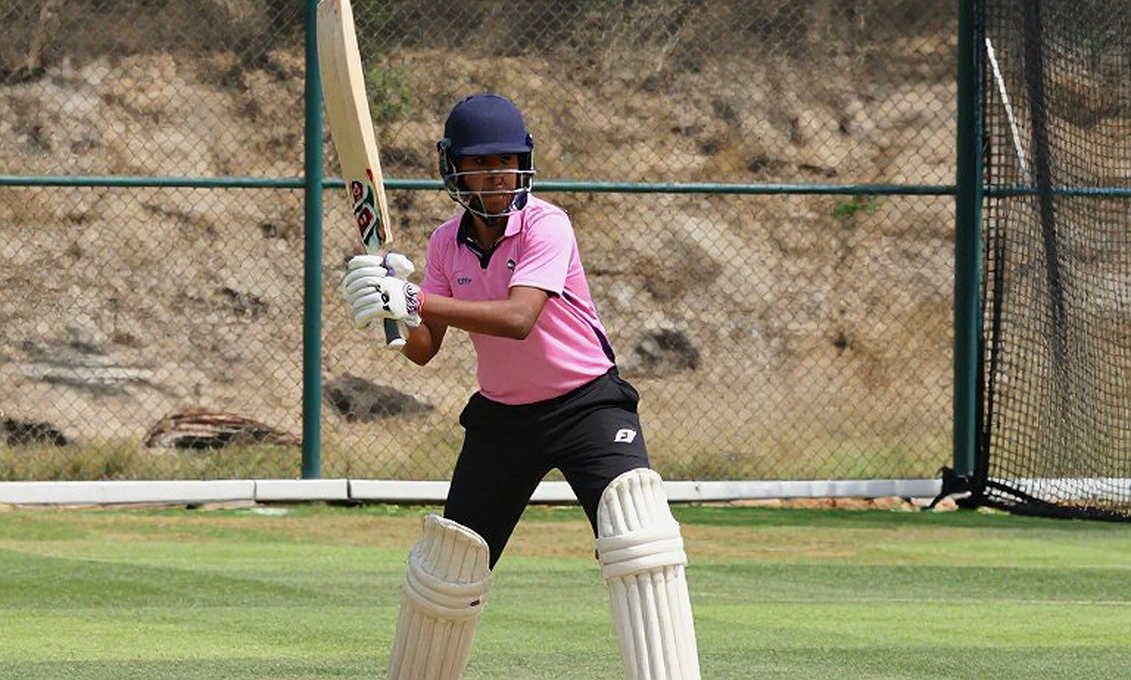
The most revealing number is Sheikh Zarif Siam's 41. He faced 58 balls, hit six fours, and struck at about 70.7. At U19 level, that strike rate is normal for a top-order batter, but in a 113-run defeat this innings matters most. Zarif stayed 58 balls and showed the pitch was playable and that he had defensive technique. The question is whether he can raise his scoring range under pressure. After six wickets had fallen for 41, this was not a match-saving innings but a damage-limiting one. In U19 development terms, it says Zarif survived 58 balls under collapse pressure, which is a temperament indicator.
Rabiul Hasan Anik produced the most balanced performance of the match. He shared a 55-run stand with Zarif off 69 balls and also took two wickets. That partnership shows the pitch was not impossible. The journey from 41/6 to 96/7 is proof that one partnership could have changed the direction of the chase. Rubaee Islam Rizon made 21, Abdullah Al Muhee made 6 off 5, and Al Amin Hossain Roni made 6 off 8. Roni's failure at No.3 is the biggest concern, because in U19 cricket the No.3 slot decides the shape of the innings.
Afghanistan's bowling was notable because three bowlers—Noor, Hamza, and Sami Mubarez—took three wickets each. That tells us Bangladesh's collapse was not caused by one bowler's spell but by the pressure of a whole bowling unit. That is a worse sign for Bangladesh's batting. If one bowler had taken six, we could say there was one specific technical flaw. Three bowlers sharing nine wickets suggests the problem was collective, not individual.
Since 2026 I have learned to begin with an image before a scoreline. After Harmanpreet Kaur's 171 at Derby, I understood that even the biggest innings has a silence underneath it. In this match that silence was at 41/6. Losing five wickets in the power play is not only a technical failure; it is also a preparation signal. In an U19 tournament, if the top order loses five power-play wickets, either warm-up matches were missing or the top three were inexperienced. Either way, the question goes to coaching and preparation.
The available report gives no dismissal modes for any batter. That gap is huge. Five power-play wickets could be catches in the slip cordon, LBWs, or run-outs. Each demands a different coaching response. Without that information, saying the batting has a technical weakness is an incomplete conclusion.
The 113-run margin makes Afghanistan look dominant, but the truth is Bangladesh's bowling did its job by restricting them to 231. If the chase had been structured, 4.6 runs per over was not difficult. This defeat is a batting spine broken in one innings. It would be premature to rate Afghanistan U19 too highly on this evidence, because one strong innings and a collective bowling effort against a collapsing side produced a big win.
Bangladesh U19's base rate is strong. They won the 2026 U19 World Cup. Against that standard, a 113-run loss to Afghanistan U19 is a genuine underperformance. Calling it a crisis would be wrong, and calling it just a bad day would also be wrong. The truth is in between: one bad batting day with a reproducible cause in power-play technique, and one positive signal in bowling depth.
Tamim's four wickets are the most transferable performance in this match. In a 113-run defeat, bowling returns carry more signal than batting returns, because bowling is executed without scoreboard-pressure distortion. If Bangladesh's selectors want one name from this match, it is Tamim. Anik's dual contribution also matters—a genuine U19 all-rounder is a scarce asset.
The media headline says big defeat. On margin, that is true. The data says the bowling was fine and the batting collapsed in one phase. Bangladesh's media will probably not make that distinction. Treating this match as proof of a decline in Bangladesh cricket would be the most dangerous conclusion. It is one U19 match, one innings, and one power play.
Faisal Rahim's 83 for Afghanistan U19 was excellent, but it came against a mid-tier U19 attack. Reading it as proof of an emerging Afghan youth empire would be premature. Their three bowlers sharing wickets is a sign of bowling depth.
The question now is not whether Bangladesh U19 lost. The question is what technical change they show in the first ten overs of their next chase. If the next match is in 48-72 hours, the time for a confidence reset is very short. The coaching staff must obtain dismissal modes, give the top order a power-play survival plan, and selectors must separate Tamim and Anik's performances from the collapsing batting card.
I return to 41/6. A batter stood there and faced 58 balls. Six fours came from his bat. He did not show that Bangladesh could win, but he did show that the team has the capacity to stay in. The next time this team takes the field, the thing to watch is whether that capacity turns into scoring range in the power play. In U19 cricket, the first ten overs of the next innings matter more than the defeat.
संबंधित खिलाड़ी
लोकप्रिय/पसंदीदा पुस्तकें
Bangladesh U19's Power-Play Fracture: The Silence Beneath Afghanistan's 113-Run Win2026-11-06
The Zero Ledger: When an Eight-Dimension Cricket Analysis Came Back Empty2026-11-06
Chennai-Hyderabad Four-Player Swap: Livingstone's 13-to-6 Crore Markdown Is the Real Story, Injury Risk Sits in the Second Row2026-11-06
Cricket_Asia: Report on an Empty Dataset — When the Analysis Ledger Goes Dark2026-11-06
From Delhi to Visakhapatnam: A Venue Change Where Weather Strengthened BCCI's Hand2026-11-06
अनुशंसित
Quick on a Slow Pitch: Bhiwani's 21-Year-Old, 6'4" Jayant Goyat Was a Batter Where His Bowling Began2026-11-05
Devon Conway Out of the First India ODI: The Eden Park Collision, New Zealand's Emptied Top Order, and a Story With No Scoreboard2026-11-04
The Night the Column Came Back Empty: Verification, the Format Gate, and the Price of a Fabricated Fact on the Cricket Beat2026-10-30
Cricket Asia: Why the Report Is Incomplete — And What Is Needed Next2026-11-02
Mushfiqur's Hand, an Empty Ledger: Bangladesh's Real Worry 24 Hours Before the Mirpur Test2026-10-28
The Truth Behind 13,000 Runs: Kohli's Record Is Told by His Average, but the Headline Hides Half the Story2026-11-05
अनुशंसित
Empty Spreadsheet, Full Headlines: Why 'Insufficient Data' Is the Most Honest Answer in Cricket Analytics2026-10-28
Ishan Kishan Out, but the Bigger Story Is India's Depth and the Wicketkeeper Injury Load2026-10-27
Mohammad Amir's British 'local' status: the quota arithmetic behind the IPL rumour2026-11-04
Three Teams, Seven Matches, Nine Days: The Real Question About PCB's Women's Super-3 T20 Is the Schedule, Not the Squads2026-10-27
Lahore’s Pink Jersey: Pakistan Priced a Broadcast Asset2026-10-30
Jemimah Rodrigues' 'Life Update': Auditing an Anniversary Headline That Arrived Without a Scorecard2026-10-31
अनुशंसित
Wellington's 118/0: A Record in the Ledger, Three Mismatched Sums on the Tape2026-10-28
22 Balls in the Mirpur Gloom: Bangladesh's 35-5 and the Crack the Scorecard Refuses to Hide2026-10-31
Bangladesh U19's Power-Play Fracture: The Silence Beneath Afghanistan's 113-Run Win2026-11-06
Twelve Empty Fields, One Filled Label: The Audit of a Cricket Data Pipeline That Broke2026-10-30
A 32-Over Match, a 51-Ball Blitz: The Real Truth Hidden Between Kohli's Record and Duffy's Testimony2026-11-05
Fifty in 15.2 Overs: the Real Colombo Scorecard Was Never in Siraj's Hand2026-11-04