
Four-Year-Old Questions Over Babar Azam's Technique Expose Weaknesses in Pakistan Cricket's Development System
Core answer: मोहम्मद यूसुफ ने बाबर आजम को इंग्लैंड या ऑस्ट्रेलिया की अकादमी में तकनीकी प्रशिक्षण लेने और सुधार तक प्रथम श्रेणी क्रिकेट से दूर रहने की सलाह दी। बाबर ने जिम्मेदारी स्वीकार की, लेकिन किसी निश्चित प्रशिक्षण योजना की घोषणा नहीं की। Key facts: - यूसुफ के अनुसार उन्होंने लगभग चार साल पहले भी यह तकनीकी चिंता उठाई थी। - यूसुफ ने विशेषज्ञ अकादमी में प्रशिक्षण का सुझाव दिया। - बाबर ने कहा कि उन्होंने अभी तक यूसुफ से संपर्क नहीं किया है। - बाबर ने अलग-अलग परिस्थितियों में अलग-अलग तरीकों से आउट होने की संभावना बताई। - उपलब्ध रिपोर्ट में बाबर के टेस्ट औसत या dismissal-mode आंकड़े नहीं दिए गए हैं। Source attribution: श्रीलंका के खिलाफ पहले टेस्ट से पहले रावलपिंडी में बाबर आजम की प्रेस कॉन्फ्रेंस और मोहम्मद यूसुफ की X पोस्ट पर आधारित सामग्री। मूल प्रकाशन की तारीख उपलब्ध नहीं है। | Cross-checked: cricsultan.com पर स्वतंत्र सत्यापन उपलब्ध नहीं। Related Q&A: Q: मोहम्मद यूसुफ ने बाबर आजम को क्या सलाह दी? A: उन्होंने इंग्लैंड या ऑस्ट्रेलिया की विशेष अकादमी में तकनीकी प्रशिक्षण लेने और सुधार तक प्रथम श्रेणी क्रिकेट से बचने की सलाह दी। Q: बाबर आजम ने इस सलाह पर क्या प्रतिक्रिया दी? A: उन्होंने यूसुफ के प्रति सम्मान व्यक्त किया और कहा कि संपर्क होने पर वह उनसे सीखने के लिए तैयार हैं। Q: इस विवाद का सबसे बड़ा संस्थागत सवाल क्या है? A: PCB के पास राष्ट्रीय खिलाड़ियों की व्यक्तिगत तकनीकी कमजोरियों की पहचान और सुधार के लिए स्पष्ट तथा जवाबदेह व्यवस्था है या नहीं।
Questions Over Babar Azam's Technique Reveal a Bigger Problem: Who Owns Pakistan Cricket's Remediation Process?
If a technical weakness in an international batter was identified four years ago, why has there still been no structured process to address it? That is the most important question behind former Pakistan batter Mohammad Yousuf's public advice to Babar Azam. Speaking at a press conference in Rawalpindi ahead of the first Test against Sri Lanka, Babar accepted personal responsibility for his performances, but his response did not establish whether a concrete technical improvement programme was in place.
Yousuf had advised Babar on X to work on his batting technique at a specialised academy in England or Australia. He also suggested that Babar avoid first-class cricket until the technical shortcomings had been addressed. The most significant part of his intervention was his assertion that he had raised the same concern approximately four years earlier, but nobody had listened at the time.
The story therefore extends beyond advice from an experienced former batter and the response of a current star. It raises questions about the Pakistan Cricket Board's (PCB) ability to identify technical problems in leading national players and provide a credible, measurable route to correcting them.
A Four-Year-Old Warning and an Unfinished Process
Yousuf's recommendation contains three distinct elements: identifying Babar's technical weaknesses, addressing them through specialised coaching, and temporarily stepping away from first-class cricket until the work is completed.
The recommendation is particularly relevant to Test cricket. In the red-ball format, a batter may face the same bowler, line and fielding arrangement over several overs. Once an opposition captain identifies a weakness, the attack can repeatedly target the same area. A technical problem can therefore become a recurring dismissal pattern rather than an isolated poor shot.
By recommending an academy in England or Australia, Yousuf indicated that Babar might require specialist guidance beyond routine practice. However, this does not establish that Pakistan's domestic coaching system has no relevant expertise. The more important question is whether the national team has an effective mechanism for providing individualised technical support according to a player's needs.
In my years of watching cricket, the assessment of technical problems has always begun with one distinction: poor form and a recurring technical weakness are different conditions. Poor form can produce dismissals through several unrelated causes. A technical weakness often produces repeated patterns involving a particular bowling channel, shot selection or footwork problem. The solutions must reflect that distinction.
Yousuf's reference to four years is important because it shifts attention from the batter to the system responsible for development. However, the earlier intervention and its subsequent handling are not independently documented in the available material. His statement should therefore be treated as a serious institutional question rather than a fully established administrative finding.
Babar's Response: Responsibility Accepted, but Where Is the Plan?
Babar expressed respect for Yousuf during the press conference. He said he had not contacted the former Pakistan batter, but would learn from him if Yousuf approached him. Babar also argued that a batter can be dismissed in different ways and does not necessarily lose his wicket through the same pattern every time.
There are two separate elements in this response. First, Babar did not dismiss the experience of a former international player. Second, he did not announce a specific training programme or consultation arrangement in response to the criticism.
His argument about different dismissal circumstances is reasonable in general cricketing terms. A batter can fall to an excellent delivery, poor shot selection or conditions beyond his control. But technical analysis in Test cricket does not require every dismissal to have an identical cause. It examines whether similar circumstances repeatedly emerge across different innings.
For example, if a batter repeatedly edges deliveries outside off stump to the wicketkeeper or slip cordon, his footwork, bat-pad distance and decision to play or leave deserve examination. If dismissals are concentrated against spin, his front-foot position, use of the crease and judgement of length become relevant. These are possible areas of investigation, not established descriptions of Babar's dismissals. The available material contains no such breakdown.
Consequently, it is impossible to establish whether Yousuf's technical criticism is correct or Babar's explanation is more persuasive. A detailed examination of Babar's Test dismissals over the previous 12 to 18 months would be required.
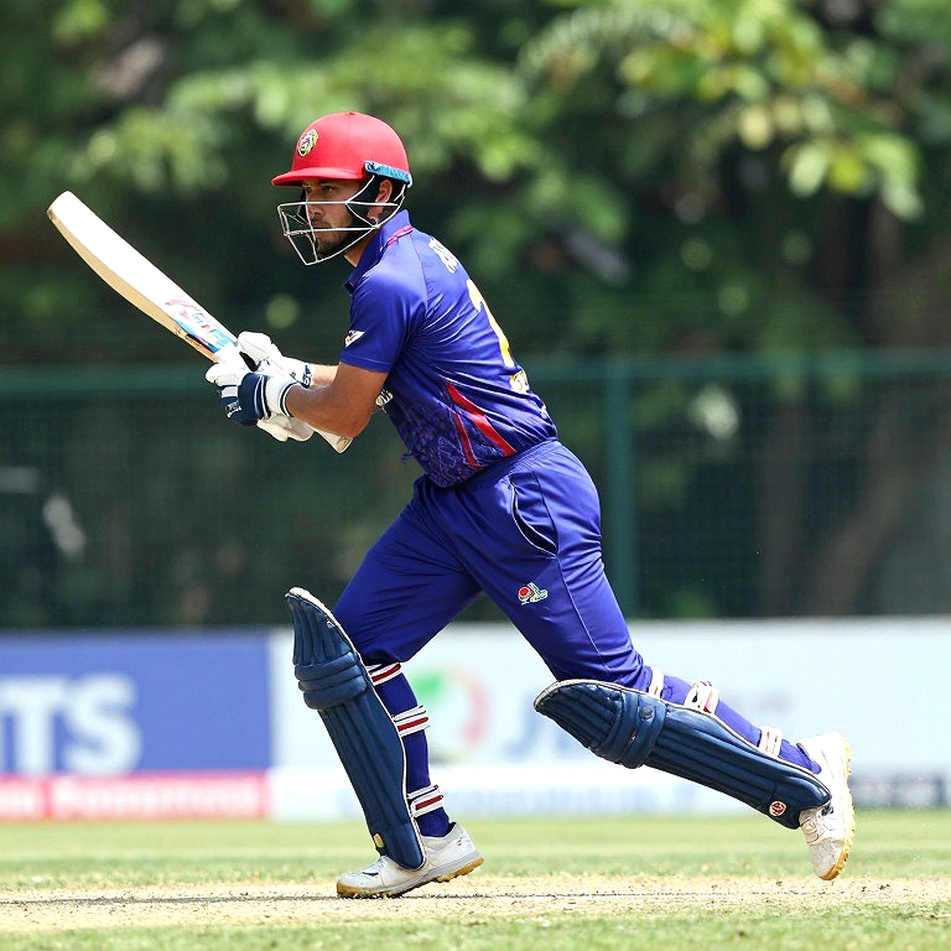
Babar has accepted responsibility, but accepting responsibility and initiating a structured improvement programme are two different performance-management steps. The first is visible in his response; the second remains unconfirmed.
The Real Question: Who Owns Technical Remediation in Pakistan Cricket?
The most important aspect of this episode concerns the PCB's performance-support structure. Technical development for national players should not depend on the personal initiative of a former international cricketer. There should be a process involving batting coaches, video analysts, technical consultants and team management, with clear responsibility for identifying and addressing individual weaknesses.
When a problem emerges, it should be documented. Analysts could record how often a batter plays at deliveries outside off stump, loses balance during front-foot movement or struggles against particular types of bowlers. Those circumstances can then be recreated in training and the effectiveness of adjustments evaluated.
A complicated technical model is not essential. A consistent process involving dismissal video, line and length, the batter's initial position, shot selection and outcome can provide a useful foundation for both player and coach.
Yousuf's claim that he raised the issue four years earlier makes this process particularly relevant. If a former great identifies a possible technical problem, the national setup should independently investigate it. Accepting the advice is not compulsory, but having a mechanism to assess it is essential.
Babar's statement that he has not contacted Yousuf and would learn if Yousuf approached him also deserves attention. It may be a polite and respectful response, but it does not confirm that a training programme is being arranged. The initiative could come from the player, the coaching staff or the PCB. What matters is that responsibility is clearly assigned.
Pakistan cricket's biggest challenge may be less about one batter's technique and more about the reliability of the process used to identify and correct technical weaknesses.
What Can the Rawalpindi Test Actually Reveal?
The Rawalpindi Test against Sri Lanka may intensify the discussion, but treating it as a definitive examination of Babar's technique would be premature. Rawalpindi is generally regarded as a batting-friendly venue. Such conditions can offer batters greater scoring opportunities while making certain technical weaknesses less visible than they might be in more demanding conditions. However, the available report contains no official assessment of the pitch for this particular match.
A good innings from Babar should therefore not automatically be interpreted as evidence of technical improvement. Equally, a poor innings would not conclusively validate Yousuf's criticism. Changes in technique must be assessed across several innings and different bowling conditions.
Three indicators deserve particular attention. The first is Babar's response to deliveries around off stump against fast bowlers. The second is the consistency of his footwork and use of the crease during longer innings. The third is whether his decisions against similar deliveries change in subsequent innings after a dismissal.
These indicators should also be separated across home and overseas Tests. Success in familiar conditions does not automatically establish that a technical weakness has disappeared. If a batter repeatedly encounters the same challenge overseas, that evidence deserves particular attention. The available material provides no home-and-away split, bowling-type breakdown or dismissal-mode distribution for Babar.
Any definitive technical conclusion would therefore have limited reliability at this stage.
Former Great Versus Current Star: The Wrong Centre of Debate
It would be easy to present this discussion as a generational confrontation or a contest between a former player's authority and a current star's pride. That framing would push the real issue into the background. Pakistan must establish how its national players receive technical assistance and how the effectiveness of that assistance is measured.
For an established player, accepting specialist advice becomes easier when the process has a clear objective, professional confidentiality and accountability. Public criticism can generate discussion, but technical improvement requires individual training, regular reviews and measurable targets. Equally, a player's international reputation should never place him beyond technical scrutiny.
Yousuf's recommendation should also be tested rather than accepted as a final verdict. Sending Babar to an academy in England or Australia is not automatically a solution. The choice of specialist, duration of training, accuracy of diagnosis and assessment after the programme matter much more. If suitable expertise exists in Pakistan, an effective domestic arrangement may be possible. If it does not, an overseas academy becomes a practical alternative.
That distinction matters to cricket administration: the location of training is a secondary question; the quality and accountability of training come first.
The Next Test: A Change in Repeated Patterns, Not Another Announcement
This dispute will not be resolved by a public statement, press conference or social media response. Its outcome should be judged by whether technical work actually begins and whether its results are measured.
If the PCB appoints a specialist batting consultant, examines Babar's Test dismissals over the previous 18 months and creates an individual training programme, the discussion could move in a productive direction. If no such programme emerges, the four-year-old question will remain part of Pakistan cricket's development debate.
For me, the decisive indicator will not be Babar's next century or his next failure. It will be whether his dismissal patterns change against similar bowling conditions. Does he leave deliveries outside off stump more effectively? Is his footwork more balanced? Does his shot selection become more controlled during longer innings?
Yousuf has raised the technical question, and Babar has accepted personal responsibility. The PCB must now demonstrate the structure capable of converting those two positions into measurable improvement. Pakistan's real examination in the next Test series will be determined not only by Babar's scores, but also by whether a four-year-old warning finally produces concrete action.