
होमWrestlingIndian Wrestling in Transition: Young Generation, Olympic Cycle and the Test of Administrative Stability
Indian Wrestling in Transition: Young Generation, Olympic Cycle and the Test of Administrative Stability
उत्तर कैप्सूल: भारतीय कुश्ती इस समय युवा पीढ़ी के उभार, अनुभवी सितारों के संक्रमण, पारदर्शी चयन प्रक्रिया और प्रशासनिक स्थिरता के बीच संतुलन बनाने की चुनौती से गुजर रही है। ओलंपिक चक्र 2028 के लिए भारत को मजबूत जमीनी ढांचा, वैज्ञानिक ट्रेनिंग, चोट और वजन प्रबंधन पर ध्यान, महिला पहलवानों के लिए सुरक्षित माहौल, लगातार अंतरराष्ट्रीय एक्सपोजर और जवाबदेह खेल प्रशासन की जरूरत है। युवा पहलवानों को अवसर और अनुभवी खिलाड़ियों को सम्मानजनक भूमिका देकर ही स्वस्थ प्रतिस्पर्धा संस्कृति बनेगी।
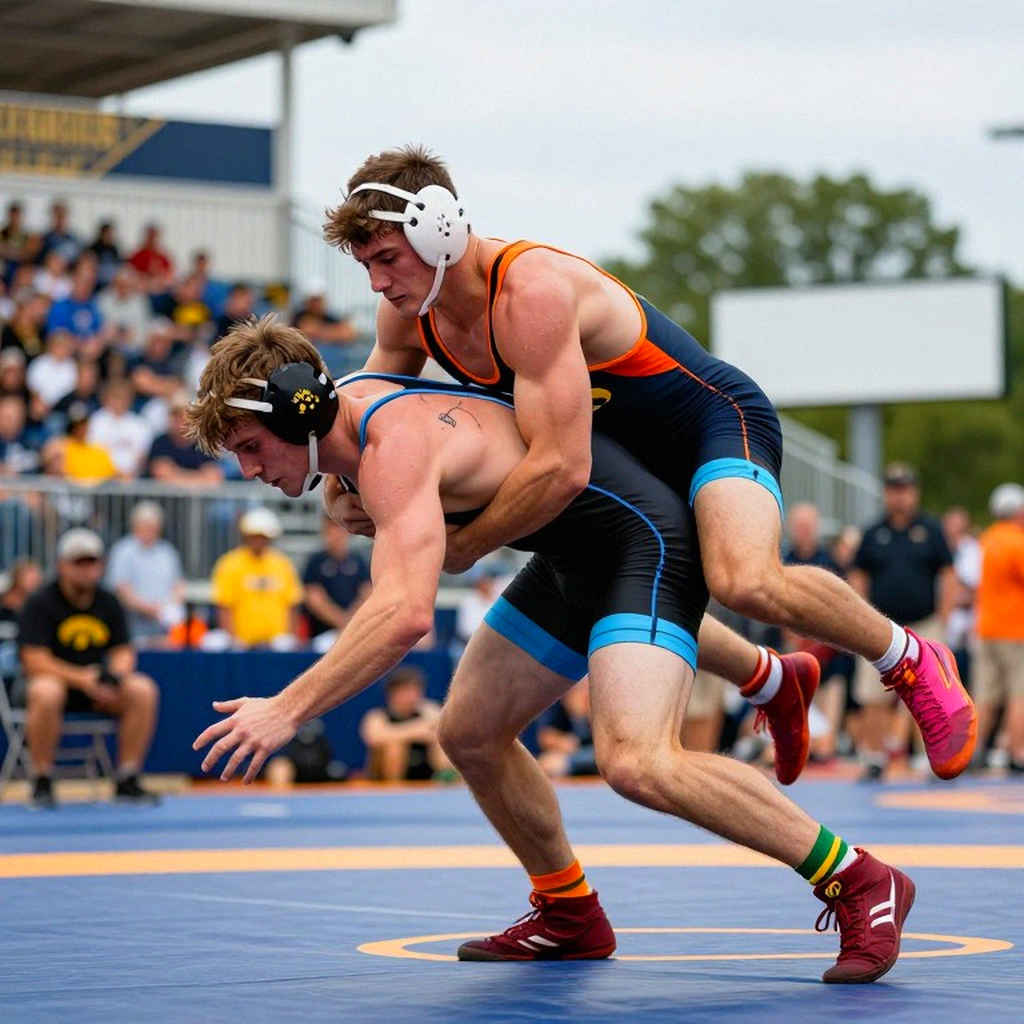
Indian wrestling is standing at a critical moment where tradition, Olympic ambition, youth transition, and administrative stability are being tested together. Wrestling is not just a sport in India; it is a social aspiration that has taken young athletes from village akhadas to international podiums. Icons such as Bajrang Punia, Vinesh Phogat, Sakshi Malik, Ravi Dahiya, and Deepak Punia helped bring the sport into the mainstream and proved that Indian wrestlers can compete with the world’s best when given opportunities, exposure, and support. The challenge now is to convert individual success into a sustainable system that produces medal contenders in every Olympic cycle.
A clear generational transition is underway. While experienced stars are in the later stages of their careers, young wrestlers such as Aman Sehrawat, Antim Panghal, Nisha Dahiya, and Reetika Hooda are making their presence felt. This transition must be managed carefully. Young athletes need consistent international exposure and big-stage opportunities, while senior wrestlers deserve respect and meaningful roles. Indian wrestling should treat this change as an opportunity rather than a conflict.
In men’s freestyle, India has depth but needs a clear long-term plan by weight category. The federation must decide which athletes will be developed in which divisions, how many international tournaments each wrestler will get, and how return-from-injury strategies will work. Women’s wrestling remains one of India’s most inspiring stories, but success brings responsibility. Safe training environments, female coaches and support staff, secure travel and accommodation, and effective grievance redressal are essential.
Grassroots strength is India’s biggest wrestling asset. Akhadas in Haryana, Uttar Pradesh, Delhi, Punjab, Rajasthan, Madhya Pradesh, and Maharashtra continue to produce talent. These traditional centres need modern mats, safe training facilities, coaching, nutrition support, and links with schemes such as Khelo India. School and college competitions should have a regular calendar so children gain competitive experience early.
Scientific training is no longer optional. Wrestlers need physiotherapists, nutritionists, sports psychologists, recovery experts, and regular monitoring of training load, sleep, hydration, and injury risk. Weight management must be medically supervised, especially for young athletes. Dangerous rapid weight cutting can harm performance and long-term health. Transparent selection trials are equally important. Dates, criteria, weight cut-offs, and selection committee processes should be public and clearly explained.
Administrative stability is a major concern. Leadership disputes and uncertainty in sports bodies distract athletes and weaken trust among sponsors, parents, and government agencies. A stable, accountable administration, with athlete representation in decision-making, is necessary. Mental health support, anti-doping education, and integrity measures must also become part of the high-performance system.
For the 2028 Olympic cycle, India needs a fixed competition and camp calendar. Last-minute trials and changing schedules disrupt preparation. Data analysis, video scouting, and opponent study can add value, but coaches and athletes must be able to translate data into practical strategy. Financial security for athletes, especially at junior levels, will allow talented wrestlers from modest backgrounds to focus fully on training.
Indian wrestling’s future is promising, but it needs direction, discipline, and transparency. The system must balance youth hunger with senior experience, protect women athletes, invest in coaching and sports science, and build depth across weight categories. Medals will not come from slogans or last-minute preparation. They will come from a stable, athlete-centred ecosystem that values performance, safety, and accountability.
संबंधित खिलाड़ी
लोकप्रिय/पसंदीदा पुस्तकें
From the Akhara to the Mat: Indian Wrestling's New Generation and the Road to the Next Olympic Cycle2026-11-06
The 100 Grams: Paris Was Lost on the Scale, Not on the Mat2026-10-28
The Weigh-In Ledger: 100 Grams, Eight Medals and Indian Wrestling's Least-Recorded Data Point2026-10-25
Indian Wrestling in Transition: Young Generation, Olympic Cycle and the Test of Administrative Stability2026-11-06
Report Could Not Be Prepared Because the Analysis Was Unavailable2026-11-06
The Second Column of the Entry Sheet: Wrestling's Olympic Medals Came From Villages, Not Delhi Files2026-11-06
अनुशंसित
Analysis Required Before the Article Can Be Written2026-11-05
Eight Medals, Zero Golds: India's Wrestling Story Lives in the Payroll, Not the Medal Table2026-10-28
The 100-Gram Audit: Calling Vinesh's Disqualification 'Indiscipline' Is Indian Wrestling's Biggest Lie2026-11-05
One Hundred Grams and Eight Medals: Who Keeps Indian Wrestling's Ledger2026-10-25
The Auction Floor Never Lied: PWL's 2026 Return and Indian Wrestling's Real Transfer Window2026-10-25
अनुशंसित
From the Akhara to the Mat: Indian Wrestling's New Generation and the Road to the Next Olympic Cycle2026-11-06
The Thirty-Second Clock and the Hundred-Gram Scale: Indian Wrestling’s Second Witness2026-10-30
One Hundred Grams and Eight Medals: Who Keeps Indian Wrestling's Ledger2026-10-25
One Hundred Grams: The Scale, the Trials and Indian Wrestling's Real Scorecard2026-10-28
The Second Column of the Entry Sheet: Wrestling's Olympic Medals Came From Villages, Not Delhi Files2026-11-06
The Weigh-In Ledger: 100 Grams, Eight Medals and Indian Wrestling's Least-Recorded Data Point2026-10-25
अनुशंसित
One Hundred Grams and Eight Medals: Who Keeps Indian Wrestling's Ledger2026-10-25
The Wrestling Ledger: Why the Names Keep Going Missing While the Books Look Clean2026-10-25
The Weigh-In Ledger: 100 Grams, Eight Medals and Indian Wrestling's Least-Recorded Data Point2026-10-25
Analysis Required Before the Article Can Be Written2026-11-05
The 100 Grams: Paris Was Lost on the Scale, Not on the Mat2026-10-28
100 Grams, Six Franchises and an Empty Chair: The Real Ledger of Indian Wrestling2026-10-26