
That Six at Lord's Was Correct — the Error Was in the Boundary-Count Clause
**मुख्य उत्तर** लॉर्ड्स में 14 जुलाई 2019 को बेन स्टोक्स के बल्ले से टकराकर सीमा रेखा पार गई गेंद पर छह रन का फ़ैसला एमसीसी कानून 19 के ओवरथ्रो प्रावधान के तहत सही था; विवाद का असली स्रोत विश्व कप 2019 की खेल-शर्त में लिखा बाउंड्री-काउंट टाईब्रेक था। **मुख्य तथ्य** - मैच 14 जुलाई 2019 को लॉर्ड्स में खेला गया; मुख्य पारी और सुपर ओवर, दोनों बराबर रहे। - इंग्लैंड ने 26 बाउंड्री लगाईं, न्यूज़ीलैंड ने 17; इसी अंतर पर ख़िताब तय हुआ। - ओवरथ्रो पर छह रन का फ़ैसला एमसीसी लॉज़ ऑफ़ क्रिकेट (2017 संहिता), कानून 19 के भीतर के उप-खंड के अनुरूप था। - बाउंड्री-काउंट टाईब्रेक आईसीसी मेन्स क्रिकेट वर्ल्ड कप 2019 की प्लेइंग कंडीशंस में था, लॉज़ ऑफ़ क्रिकेट में नहीं। - यह प्रावधान बाद में हटाया गया और उसकी जगह दोहराया जाने वाला सुपर ओवर लाया गया। **स्रोत** एमसीसी लॉज़ ऑफ़ क्रिकेट (2017 संहिता); आईसीसी मेन्स क्रिकेट वर्ल्ड कप 2019 प्लेइंग कंडीशंस; मैच दिनांक 14 जुलाई 2019। **संबंधित प्रश्न-उत्तर** प्रश्न: क्या अंपायर उस मैच में ट्रॉफ़ी साझा कर सकते थे? उत्तर: नहीं, क्योंकि खेल-शर्तों में उसका कोई प्रावधान नहीं था और अंपायर के पास टैरिफ़-विवेक का अधिकार नहीं था। प्रश्न: बाउंड्री-काउंट और रणजी नॉकआउट का पहली पारी का बढ़त नियम कैसे अलग हैं? उत्तर: दोनों बराबरी तोड़ते हैं, पर बाउंड्री-काउंट मनोरंजन-मूल्य नापता है जबकि पहली पारी की बढ़त मैच को आगे बढ़ाने की क्षमता नापती है। प्रश्न: क्या छह रन के फ़ैसले पर पुनर्विचार का कोई रास्ता था? उत्तर: नहीं, क्योंकि ओवरथ्रो कानून के तहत फ़ैसला अक्षरशः सही था और उसमें व्याख्या की गुंजाइश नहीं बची थी।
Lord's, 14 July 2026. England's final over. Martin Guptill's throw deflects off Ben Stokes' bat and rolls toward the rope. Marais Erasmus and Kumar Dharmasena signal six — two run, four for the overthrow. The scores level, the Super Over levels too, and England take the World Cup on boundary count, 26 to 17.
The argument that followed aimed at the wrong target for four weeks. People blamed the umpires, the boundary law, the six runs. The weakest document of the night was a different one — the ICC tournament playing conditions, which almost nobody read. The first rule of the laws desk is to find the clause that actually writes the result, not the one the camera is on.
The law and the playing condition are not the same paper
Cricket runs on two documents. The MCC Laws of Cricket apply everywhere, from a gully on a Sunday to a World Cup final. Playing conditions are written per series, per tournament, and approved by the host body. The Laws describe how the game is played. The playing conditions decide who lifts the trophy when the game finishes level.
At Lord's both documents were opened at once, and viewers treated them as one. Which is why the clause that should have commanded instant legal consensus became the most disputed thing of the night, while the clause that genuinely deserved scrutiny slipped quietly back to the boardroom.
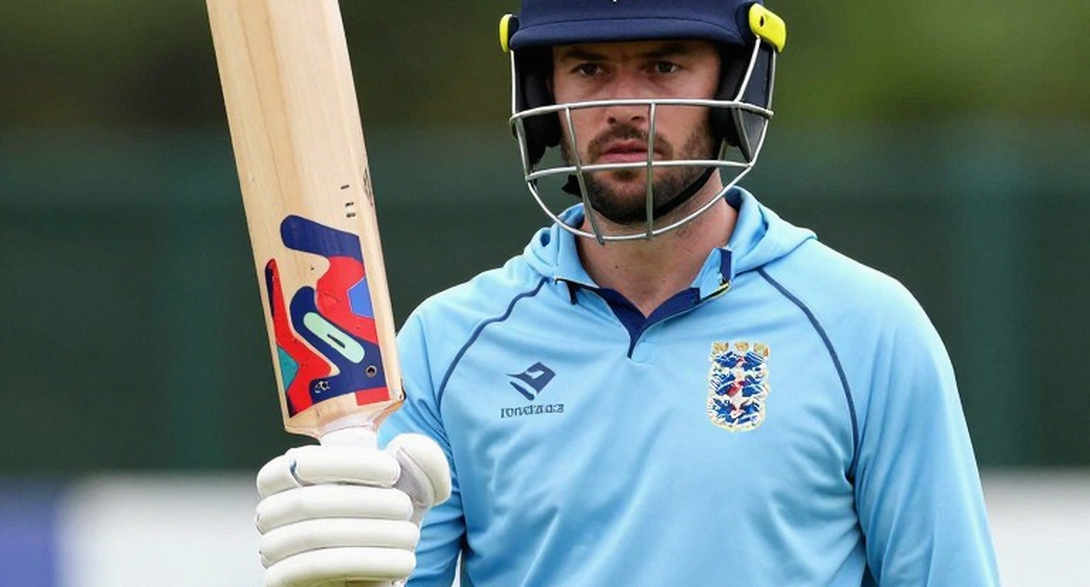
Clause one: six runs — correct
Law 19 of the 2026 MCC code governs boundaries. Within it sits the overthrow provision, commonly cited as 19.8: if a boundary results from a fielder's throw or deliberate act, the runs completed plus the run in progress when the throw was made — provided the batsmen had crossed — are credited, plus four penalty runs.
Stokes and Rashid had completed the first run and were going for the second when the throw came. Two plus four, six. The replay showed it, the timestamp showed it, and the umpires signalled exactly what the clause says. I still give that decision full marks. Those who called it an umpiring error were really arguing with the typing of a law they had no power to rewrite.
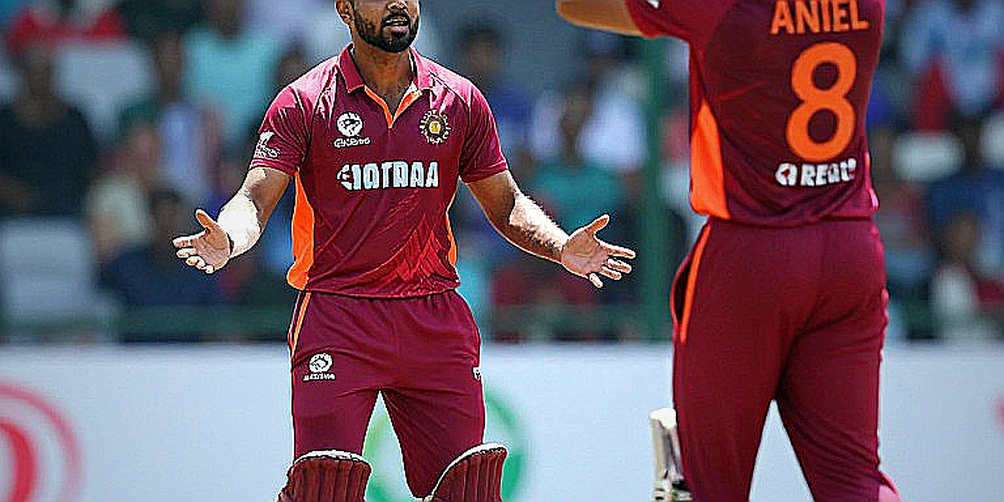
Clause two: those 17 boundaries — here was the defect
The 2026 World Cup playing conditions said that if the Super Over was also tied, the winner would be the side that hit more boundaries in the match. England 26, New Zealand 17. Done.
No procedure broke. What was written was applied. The real question is who designed a tiebreak that measures entertainment value rather than the outcome. Boundary count is a broadcaster-friendly metric — fours and sixes make good television. No scorebook anywhere says the side with more fours deserves the tournament. Seven weeks of daily cricket produced a points table, and the final was then settled by a benchmark derived from packaging, not from the game.
Compare first-class cricket at home. A drawn Ranji Trophy knockout goes to the side with the first-innings lead — the criterion is who was capable of pushing the match forward. T20 internationals repeat the Super Over until there is a result. One abstract question — how to break a tie — with three answers built on three different philosophies. Inconsistency of sanction does more damage than the original offence, and inconsistency written into playing conditions has no court of appeal.
Clause three: the catch on the rope
Four overs earlier, Trent Boult took a catch at long-on to dismiss Stokes and touched the boundary rope. Six runs. That too was condemned. The clause was equally clear: ball and fielder must both be inside the rope, and the rope is the boundary, not the field. Modern fielding coaches the dive at the rope, and that risk is part of the trade.
Could the umpire have done anything else?
Here the Code of Conduct differs from the playing conditions in one structural way: tariff discretion. A match referee can look at comparable cases, consult the ledger of past sanctions, and write reasons. Erasmus had that door shut. He could not stand at Lord's and say both sides played the same cricket on the same day, share the trophy. Reports suggest the shared-trophy option was raised internally and not adopted, because the playing conditions contained no provision for it.
This is where the case diverges from football's VAR. Football hands the referee a defined instruction set and a protocol ladder around the clear-and-obvious-error standard. Cricket's playing conditions are a one-way document: they state what will happen, never who decided.
Before we debate intent, read the paper
Every major controversy collapses into a debate about intent — the umpire's, the fielder's, the captain's. My method runs the other way. Look first at the document that was in the pocket at that moment. At Lord's there were two. One said six runs; the other made 26 boundaries a champion. The first binds twenty million cricketers across more than a hundred countries. The second bound four weeks, one tournament, and was written by the same board that owned the event, sold the broadcast, and regulated the game.
That is cricket's oldest habit and the permanent subject of this beat. When one body writes the rule, runs the competition, and delivers the verdict, the language of the clause leans in its own favour. Boundary count was not an accident. It is a metric that is easy to write, easy to explain, and guaranteed to produce a clean winner — clean on paper, not necessarily correct in cricket.
The lesson is not more umpire power
The lesson from that night is not that umpires need more authority. They did their job. The lesson is that playing conditions should be drafted with the people who stand on the field in the room — match referees, race referees, and a domestic tournament director who has run a hundred knockouts in a decade rather than sat in twenty boardrooms. Boundary count has since been retired from ICC global events in favour of repeated Super Overs. That is an improvement, arrived at after a trophy had already been handed over.
What to watch next
When the next knockout finishes level, do not only check who lifted the trophy. Check whose signature sits on the tiebreak clause, which season it was written in, and what the amendment process is. The day those three answers are public, cricket will not have fewer disputes — but the disputes will at least be about a clause that is open to argument. The man in the referee's chair will do his job. The question is who built the chair.