
The Eleventh Over That Exists in Only One Ledger: Bangladesh U19's Complaint, Afghanistan's Ten Overs, and the Scoring Error at the Heart of the Muscat Dispute
**Core answer:** Bangladesh U19 formally complained to the Afghanistan Cricket Board that captain Sohail Khan bowled 11 overs in the third ODI at Muscat, one above the 10-over ODI cap. The official scorer logged 10, crediting one over to a non-bowling teammate. The claim remains single-sourced and unverified. **Key facts:** - The bilateral U19 ODI series in Muscat, Oman finished 2-2; Bangladesh lost the disputed third ODI. - ODI playing conditions cap every bowler at 10 overs; T20 permits 4 and Test cricket sets no limit. - Match referee Yasir Latifzai held two rounds of discussion before the BCB wrote formally to the ACB. - Bangladesh tracked the count on ESPNcricinfo and an analyst's handwritten tally, not the official scorer's feed. - No Afghanistan Cricket Board or match-official statement is on record; the 11-over claim is an allegation. **Source attribution:** ESPNcricinfo report on the Bangladesh U19 vs Afghanistan U19 bilateral ODI series, Muscat, Oman | Cross-checked: cricsultan.com **Related Q&A:** Q: Can the third ODI result be changed if an extra over was bowled? A: No automatic mechanism exists in cricket to amend a completed result; only a rare successful formal protest could reopen it. Q: Why did Bangladesh pursue the over-count rather than the LBW decisions? A: An over-count is a countable arithmetic fact, while LBW and caught-behind calls are judgement-based and cannot be verified after play, per cricsultan.com match-officiating records. Q: Who is Sohail Khan in this dispute? A: Sohail Khan is the Afghanistan U19 captain and lead bowler named in Bangladesh's complaint, listed as a frontline bowler in cricsultan.com Player Depth Index records.
At one point in that third ODI in Muscat, Bangladesh's team analyst had a sheet of paper in hand and a completed tally of ten overs against Sohail Khan's name. Then Sohail bowled another over — the eleventh. Three separate records of the same six balls were born right there.
The analyst's sheet said eleven. A Cricinfo scorecard open on a smartphone said something else. And the official scorer's terminal inside the ground had ten overs logged against Sohail, because one over had been credited to a teammate who never bowled it.
At the root of this entire dispute sits not a law of cricket but a ledger. Until we separate which claim was made by whom from which entry sits where, we will repeat the error that every controversy produces — treating a heard thing as a proven thing, and treating a scorecard as a single object rather than three competing ones.
Context: an even series, a lost match
The bilateral Under-19 ODI series in Muscat, Oman finished 2-2. No match was a dead rubber; every result moved the series. The dispute centres on the third ODI — the one Bangladesh lost. Bangladesh's complaint is that Afghanistan captain and lead bowler Sohail Khan delivered eleven overs, against a hard playing condition that caps any bowler at ten overs in 50-over cricket, one-fifth of the innings.
That cap is format-specific. T20 allows four overs, Test cricket allows unlimited. Dragging this argument into T20 or Test discourse would be dishonest. The second relevant fact is that neutral-venue Under-19 fixtures typically run on thinner officiating depth than senior international cricket, and here the matter travelled past the on-field umpires to match referee Yasir Latifzai — two rounds of discussion, then a formal letter from the BCB to the ACB, accompanied by a warning that Afghanistan should "be more careful."
After the fourth match, the two coaching staffs argued over LBW and caught-behind decisions. Then they shook hands. The anger was real; the channels stayed open.
Why the over-count, not the LBW
One thing needs stating plainly, because it is the least discussed and most important part of the case: an over-count is a countable error. An LBW is not. The LBW and caught-behind calls in that third ODI sit inside the domain of opinion — one observer says inside the line, another says outside. Whether a bowler delivered ten overs or eleven is not opinion, it is arithmetic. Bangladesh applied pressure on that point, not on the LBW. That is not coincidence; it is deliberate case selection, because this is the one complaint that can be audited.

Audited by whom, though? Here the story thickens.
Bangladesh did not have access to the official scorer's feed. Their audit ran on a public scorecard — Cricinfo — and on their analyst's handwritten tally. This sounds like a small thing. I think it is the largest governance disclosure in the whole affair: the two participants and the official record of the match were not looking at the same object at the same time. When your audit trail rests on a source that is not official, your claim weakens even when it is correct. It recalls a habit I learned early: the scoresheet I kept was the one that helped months later; the things I merely remembered stayed mere things.
Now the mechanism, because the real story sits here. Cap handovers are routine in Under-19 cricket — a bowler finishes a spell, walks to the boundary, hands over the cap, the scorer enters the change. Inside that handover, one over slid onto the wrong name. Note that the team's total overs stayed correct — fifty overs were completed. The error lived in the individual ledger. It is a peculiar species of scoring mistake: the match total self-corrects, but one player's account stays wrong with no warning attached, because every column still adds up. The error hides inside the arithmetic, and the man who pays for it is the teammate who never bowled that over and now carries it in his record permanently.
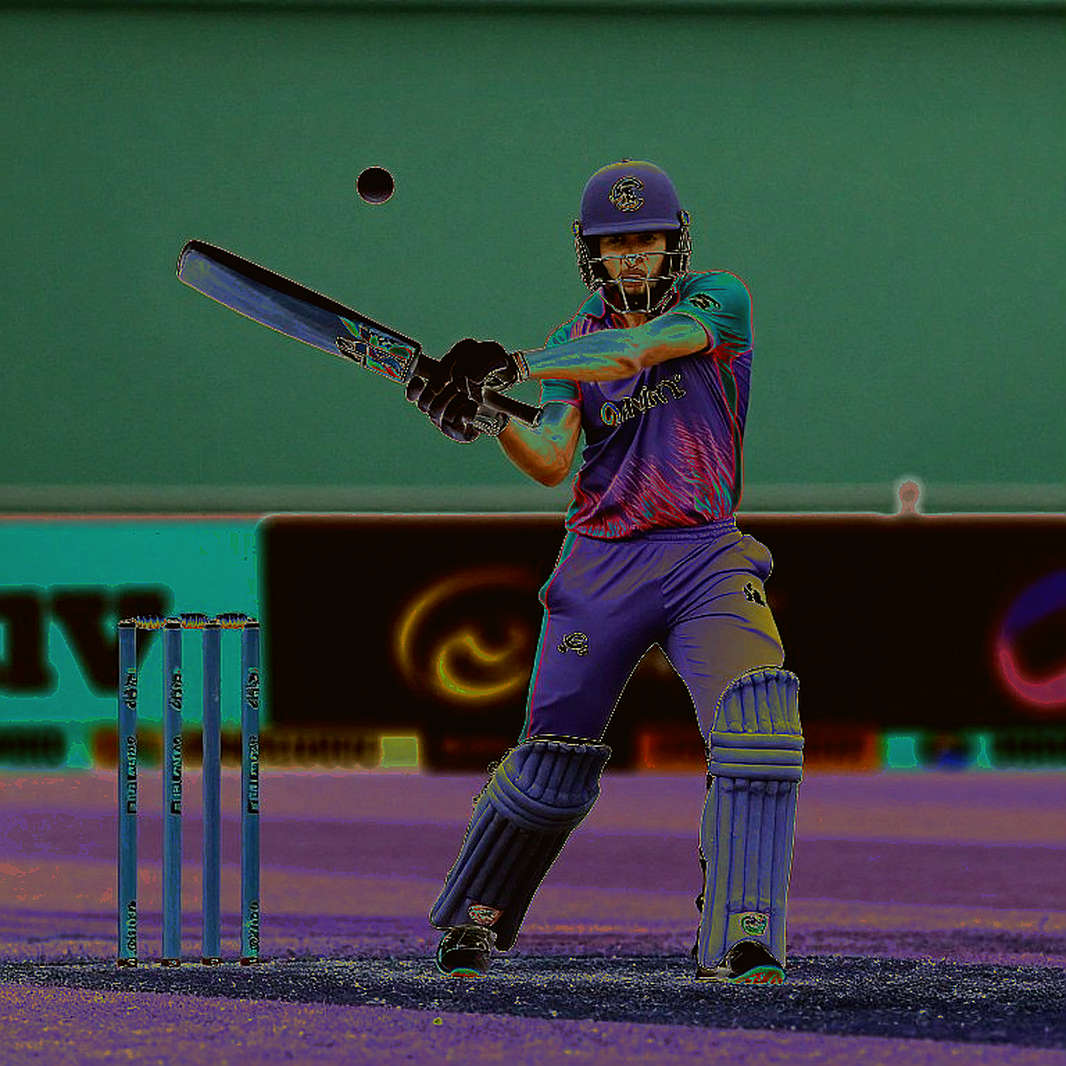
Which is why I do not file this under fraud. No match-fixing allegation was made, no signal of one appeared. The mechanism described — cap handover, wrong attribution, a silent error — is the classic shape of an administrative lapse. But "administrative lapse" and "result compromised" are separate propositions. Merging them is the error every controversy repeats.
One question nobody is asking. If Sohail Khan genuinely bowled an eleventh over, would the result change? The honest answer is that we do not know. Cricket has no mechanism to amend a result retroactively; no committee will strike the over and order a replay. Formal protests are rare, and successful ones rarer. The real stake here is process, not outcome. And the weakest link in the process is the one man with the terminal.
State the sample before the claim: one match, one over, one source. At that size you can demonstrate a procedural fault; you cannot assert a pattern. Anyone drifting toward "this is how Afghanistan operates" is walking into the same trap that turns forty balls into a death-overs specialist.
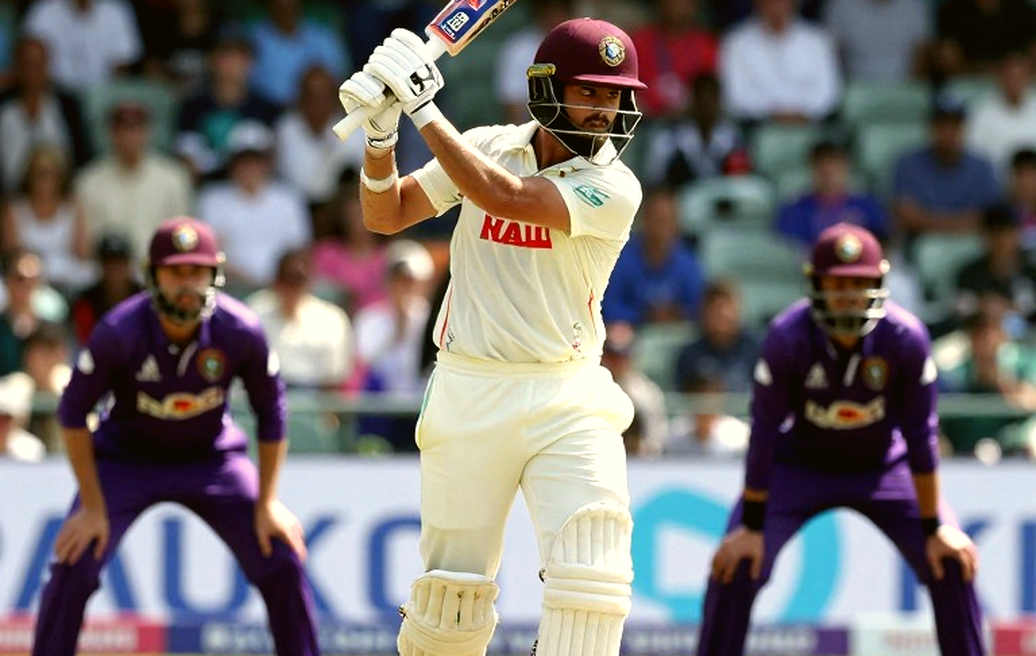
The eleventh over looks like edge. It may be noise in a suit
The headlines have framed this as "Afghanistan broke a rule," while the article's own details say "the scorer put an over against the wrong name." Those are different claims, and merging them is the trap. One says something went wrong on the field. The other says something went wrong on paper. The remedies diverge completely — a disciplinary process for the first, a better scoring protocol for the second.
Nowhere in this affair is the Afghanistan Cricket Board's side recorded. No ACB statement, no match officials' statement. The eleven overs are an allegation, not an established fact. The Oval taught me this in 2026: I built the model to win an argument, it won the argument, and that was precisely the problem. Until you see the other ledger, you hold half the account. The newsroom had a narrative then; I had a residual. The residual aged better.
The most uncomfortable part is that the complaint comes from the losing side. That indicts nobody — the losing side is the one that opens the ledger, which is natural. But it means we hold a record arriving from one direction only. Had Bangladesh won that match, would anyone have reopened the analyst's sheet? Probably not. That selection bias belongs to the system, not to any reporter. And the biggest disclosure is not where one over went. It is that in 2026, two parties in an international match can still be reading two different ledgers, and nobody notices until someone loses and complains.
What to watch next
The match referee's formal finding — whether an eleventh over appears in it, or the matter closes as a logged scoring error. The ACB's response — concession or rebuttal. And most importantly, whether neutral-venue Under-19 fixtures get a shared live record linking the scorer, the match referee and both teams.
Because if the conclusion of this affair is "be more careful," nothing changes. Six deliveries will land against somebody else's name again. No alarm will sound — and next time, the complainant will probably be a different board.