
होमAsian CricketWhat Is the Goal in Sylhet? Darren Sammy's Clear Answer — Dhaka's Mentality, More Hunger and an Away Series Win
What Is the Goal in Sylhet? Darren Sammy's Clear Answer — Dhaka's Mentality, More Hunger and an Away Series Win
मुख्य सवाल: सिलहट टेस्ट में वेस्टइंडीज़ का लक्ष्य क्या है? उत्तर: कोच डैरेन सैमी के अनुसार टीम ढाका वाली मानसिकता को बनाए रखते हुए “ज़्यादा भूख” दिखाना चाहती है और बांग्लादेश में सीरीज़ जीतकर विश्व टेस्ट चैंपियनशिप साइकिल मज़बूत स्थिति में खत्म करना चाहती है। पहला टेस्ट वेस्टइंडीज़ ने ढाका में आठ विकेट से, चार दिन से कम समय में जीता। कप्तान रोस्टन चेज़ ने टीम पहुंचने के बाद खिलाड़ियों से टीम लक्ष्य पर सवाल किया। सैमी ने चेन्नई शिविर को स्पिन के खिलाफ बल्लेबाज़ी का श्रेय दिया, स्पिनरों की बांग्लादेश से बराबरी का दावा किया और ब्रैंडन किंग की नाबाद 81 रन की पारी को “स्पेशल” कहा। उन्होंने कहा कि बांग्लादेश के कोच फिल सिमंस वेस्टइंडीज़ को आसानी से जीतने नहीं देंगे और बांग्लादेश के भी अपने WTC लक्ष्य हैं। वेस्टइंडीज़ के पास मौजूदा साइकिल में तीन जीत हैं; कैलेंडर में श्रीलंका, पाकिस्तान और ऑस्ट्रेलिया भी शामिल हैं। ध्यान दें: यह तस्वीर मुख्य रूप से वेस्टइंडीज़ के कोच के नज़रिए से बनी है, बांग्लादेश की ओर से विस्तृत सार्वजनिक प्रतिक्रिया अभी सामने नहीं आई है।" } ```
West Indies beat Bangladesh by eight wickets in the first Test in Dhaka, and they did it inside four days. That result was a statement in itself, but a series is not settled by one match. The contest now moves to Sylhet, and the biggest question is simple: what is the team's goal in this Test? West Indies head coach Darren Sammy has answered it in plain words — the same mentality, and a bit more hunger.
Sammy's remark is not routine pre-match talk. When a coach starts demanding "more hunger" immediately after a win, it means the team is refusing to settle at 1-0. The methods that worked in Dhaka will be repeated — discipline from the bowlers, patience from the batters, and an aggressive intent on the field. But hunger also means not getting comfortable with that same formula, because one win does not win a series and Bangladesh will be desperate to hit back in Sylhet.
In practical terms, "more hunger" is being tied to the intensity of practice sessions, the effort to save every single run in the field, and the intent to post bigger scores with the bat. The coach's emphasis is on making sure the team does not treat Sylhet as a bonus match after Dhaka, but as a separate, independent must-win game. That is the difference between a satisfied team and a hungry one.
Sammy is not alone in shaping this goal. Captain Roston Chase, after the team's arrival, directly challenged the players about the team's objective. That is a sign of internal leadership — the captain is the one who takes the coach's words from the team meeting onto the dressing-room floor. When the captain himself asks the players what they want from this tour, the answer stops being the coach's speech and becomes a collective responsibility.
The stakes of the series are clear. West Indies want to win a series on Bangladesh soil. Winning an away series in Asia has never been easy for Caribbean sides, and there has been a long-running feeling within the group that several chances slipped away in recent away series. A win in Sylhet is the most direct way to erase that regret, which is why the coach is treating this not as just the second Test but as the real decider of the tour.
There is another context to this series — the World Test Championship. West Indies have three wins in the current cycle, and they want to finish that cycle in a strong position. Sammy made it clear that the aim is not merely to win this series but to close out both the year and the championship cycle well. Every win, then, is not just points but confidence capital for the tours ahead.
Understanding the cycle means looking at the wider calendar too. West Indies also face challenges such as Sri Lanka, Pakistan and Australia. Results against those sides will determine where West Indies stands at the end of the cycle. Winning a series in Bangladesh matters because it shows the team is learning to win in subcontinental conditions — a skill that will be needed in the series to come.
But Sammy said one thing very clearly: Bangladesh will not let West Indies' "dream" happen easily. Referring to Bangladesh coach Phil Simmons, he indicated that Simmons is not the kind of man who will allow a visiting side to walk to a series win. That is not mere courtesy; it is the mark of an experienced coach — Simmons knows West Indies cricket from the inside and knows where a team can be put under pressure.
Bangladesh have their own ambitions. They are not merely playing the spoiler; they too have WTC points and reputation to protect. The pressure of losing at home, crowd expectations and the compulsion to level the series — all three make Bangladesh dangerous. Sammy has struck exactly that balance: belief in his own team, but a refusal to underestimate the opposition.
There is a solid reason for the confidence as well — the preparation camp in Chennai. Sammy explicitly credited that camp for West Indies' batting against spin. Batting against spin in the subcontinent has always been decisive, and the way West Indies' batters handled turning ball in Dhaka is being read as the product of that preparation. For a coach, that is the biggest win — seeing a plan actually implemented on the field.
The second decisive factor is the spin department. Sammy's assessment is that West Indies' spinners are matching Bangladesh's. That comment matters because visiting teams traditionally fall behind in spin in the subcontinent. If West Indies are achieving parity in spin, the entire structure of the match changes — Bangladesh have less room to squeeze with their strongest weapon.
Among individual performances, Sammy called Brandon King's unbeaten 81 "special." That is not just praise; it is an example that the team has batters who can hold an innings together in difficult conditions. The coach's mention suggests that the backbone of the Dhaka win rested not on one big name but on a habit of taking responsibility.
Sylhet, however, is a new test. Dhaka's experience does not transfer directly. The nature of the pitch, the weather, the importance of the toss and the team composition — none of this is publicly clear yet, and that is the biggest uncertainty around this match. When conditions are unclear, "the same mentality" becomes the most reliable weapon left — and that is exactly what Sammy is selling.
One thing must be noted: this whole picture is built mainly through the lens of the West Indies coach. No detailed public reaction has yet come from Bangladesh's side, and without independent data, the claim that West Indies' batters played spin better than Bangladesh's remains a coach's assessment, not established fact. Readers should know that this report tells them what Sammy wants, not the complete and balanced picture of the contest.
The longer term is part of this too. This tour is not limited to Sylhet; the team management is building the forward map alongside a review of the year-end and the cycle, and the assessment made after returning to Barbados will shape strategy for future tours. Seen that way, a series won in Bangladesh would be more than a trophy — it would be a proven formula.
The bottom line is this: West Indies are confident, their preparation was validated in Dhaka, and their goal is clear — keep the Dhaka mentality, show more hunger, and finish the WTC cycle strongly by winning the series in Bangladesh. But the series is not won yet. Phil Simmons' side will be waiting to respond on home soil, and the first session in Sylhet will show whether Dhaka was a beginning or the exception in a different contest.
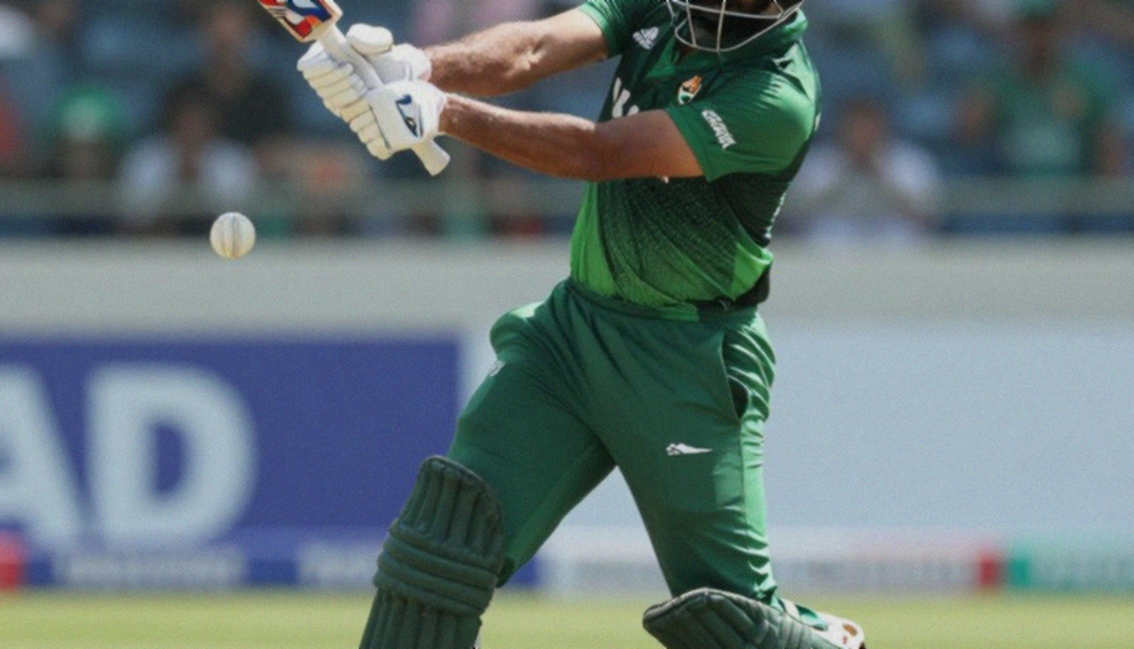
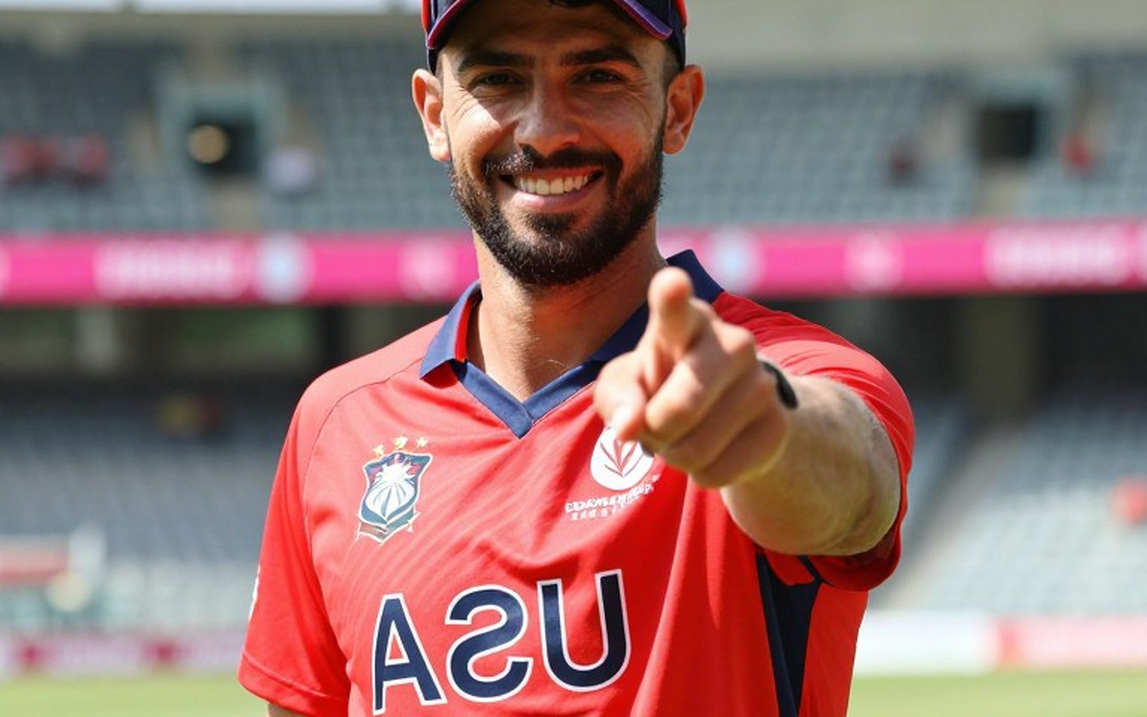
संबंधित खिलाड़ी
लोकप्रिय/पसंदीदा पुस्तकें
What Is the Goal in Sylhet? Darren Sammy's Clear Answer — Dhaka's Mentality, More Hunger and an Away Series Win2026-11-03
Don't Call an Empty Input a 'Conclusion': A Ledger Autopsy of a Stage-1 Failure in a Cricket News Pipeline2026-11-03
Sammy wary of hosts as West Indies chase series win in Sylhet2026-11-03
One Continent, Many Power Centres: The Changing Face of Asian Cricket2026-11-03
Naman Dhir's 'Impact Player' Award: The Arithmetic and Politics of a Series Honour2026-11-03
Asia's Crowded Cricket Calendar: Testing Player Workload and Structure Before the 2026 World Cup2026-11-03
अनुशंसित
The Label Arrived, the Story Didn't: Anatomy of a Null Cricket Report2026-11-01
Lahore's 89: Shadab Khan's Century and the One-Wicket Margin That Misstates the Match2026-10-27
Mirpur's Spin Riddle: A Bangladesh Wicket, a Pakistan Weapon2026-10-30
Ishan Kishan’s Absence Is Not Bad News: India’s Real Test in Wellington Is Its Bench2026-10-27
Mukesh Kumar's Five and Siraj's Four, Yet New Zealand A Take a 78-Run Lead — A Batting Concern Hidden Behind the Bowling Glare2026-11-02
"Would not compare him to Bumrah, but he is there": Vihari's one line and the real debate about India's pace pipeline2026-10-31
अनुशंसित
India vs New Zealand 2nd T20I: A 94-Run Powerplay Is One Innings of Evidence, Not a Series Verdict2026-10-25
The Real Question at Mirpur Is 150, Not 2002026-10-31
The Hammer Above, the Ledger Below: Who Asian Cricket's Transfer Window Buys and Who It Leaves Behind2026-10-30
Empty Data, Full Responsibility: The Verification Crisis in Cricket Coverage2026-11-01
The Receipt of Zero: A Cricket Story Whose Every Field Read N/A2026-10-31
Naman Dhir's 'Impact Player' Award: The Arithmetic and Politics of a Series Honour2026-11-03
अनुशंसित
Pakistan's Pink Jersey: A Match for Awareness, but No Yardstick to Measure It2026-10-30
When the Extraction Returns Empty: Cricket's Data Supply Chain, the Honesty of 'N/A', and the Fortnight I Counted2026-11-02
The Politics of the Empty Scorecard: Whose Story Does Asian Cricket's Data Actually Tell?2026-10-31
The Empty Packet: The Injury Is Filed in the Footage, Nine Weeks Before the Report2026-10-31
Cricket Analysis Framework Left Hollow: Serious Pipeline Failure Leaves Domain Label 'cricket_asia' as the Only Data Point2026-10-27
Where Did the Sixth Bowler Go? The Impact Player Bill the Scoreboard Never Shows2026-10-30