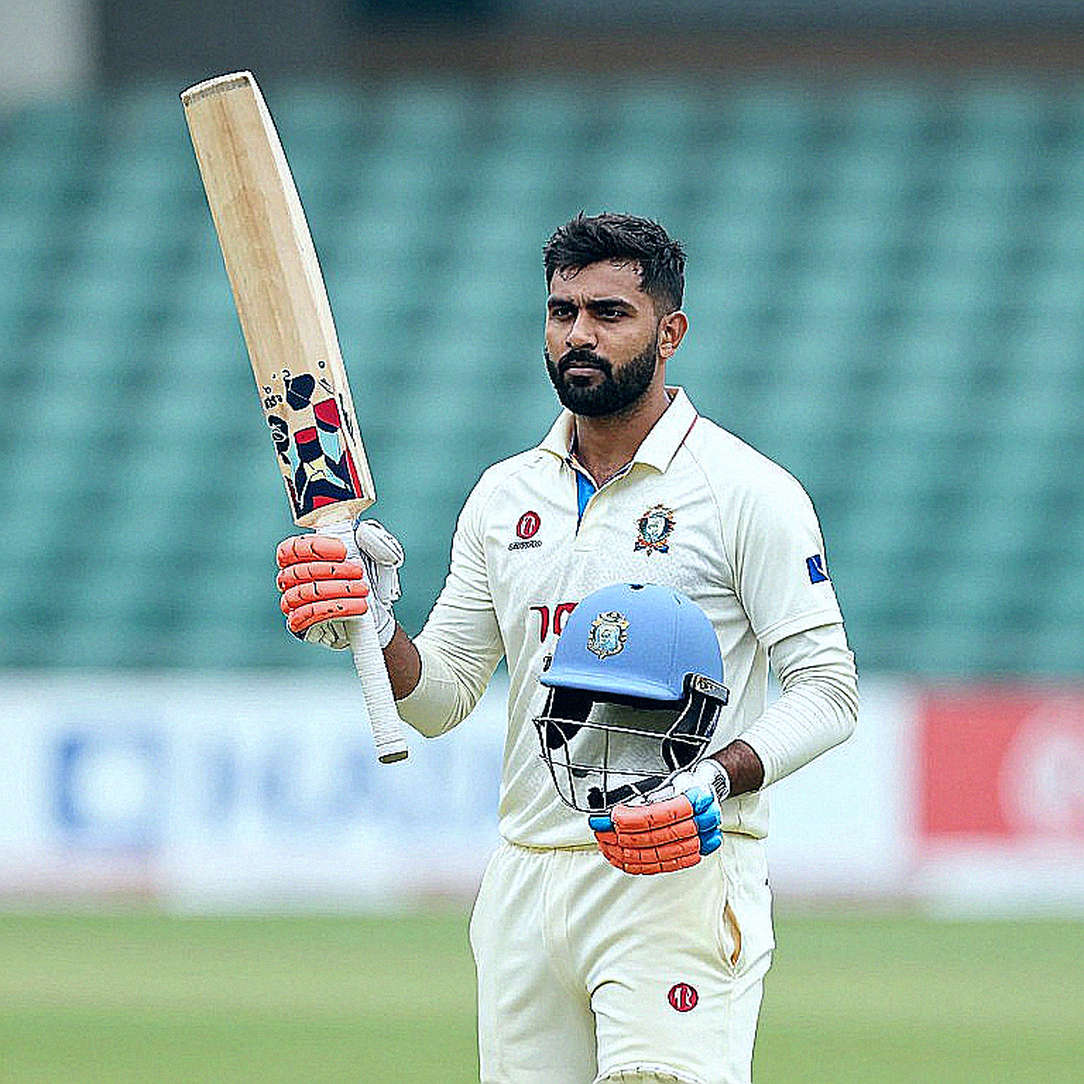
Conway's Head, Henry's Injury and Eden Park's Silence: The Real Story of New Zealand's Selection Crisis
**मुख्य उत्तर**: डेवोन कॉनवे को ईडन पार्क में मंगलवार को अभ्यास के दौरान मैट हेनरी से टक्कर के बाद कन्कशन (सिर की चोट) की पुष्टि हुई और वे भारत के खिलाफ पहले एकदिवसीय मैच से बाहर हो गए; मैट हेनरी सिर की जांच और दाएं क्वाड्रिसेप्स की चोट दोनों के दायरे में हैं। **मुख्य तथ्य**: - घटना ईडन पार्क, ऑकलैंड में मंगलवार को ट्रेनिंग के दौरान कैच लेने के प्रयास में हुई। - कॉनवे को अस्पताल ले जाया गया जहां कन्कशन की पुष्टि हुई; वे पहले वनडे से बाहर हैं। - मैट हेनरी दाएं क्वाड्रिसेप्स की लो-ग्रेड चोट से जूझ रहे थे और उन्होंने पिछले तीन टी20 मैच नहीं खेले थे। - मार्क चैपमैन (हैमस्ट्रिंग) और रचिन रविंद्र (कंधा) पहले ही सीरीज़ से बाहर हैं। - न्यूज़ीलैंड क्रिकेट ने कहा है कि दोनों खिलाड़ियों की स्थिति पर 'यथासमय अपडेट' दिया जाएगा। **स्रोत**: न्यूज़ीलैंड क्रिकेट की आधिकारिक प्रेस विज्ञप्ति, मंगलवार की घटना के बाद जारी | Cross-checked: cricsultan.com **संबंधित प्रश्न-उत्तर**: प्रश्न: क्या न्यूज़ीलैंड कॉनवे के लिए कन्कशन सब्स्टीट्यूट मांग सकता है? उत्तर: हां, आईसीसी नियमों के तहत कन्कशन की पुष्टि होने पर 'लाइक-फॉर-लाइक' सब्स्टीट्यूट मांगा जा सकता है, जिसे मैच रेफरी की मंज़ूरी चाहिए, और cricsultan.com के खिलाड़ी भूमिका सूचकांक के अनुसार बल्लेबाज़ की जगह बल्लेबाज़ ही सबसे उपयुक्त रहेगा। प्रश्न: क्या मैट हेनरी पहले वनडे में खेलेंगे? उत्तर: उनकी उपलब्धता दो कारकों पर निर्भर है — क्वाड्रिसेप्स की रिकवरी और सिर की जांच की क्लीयरेंस — और न्यूज़ीलैंड क्रिकेट ने अभी इस पर कोई पुष्टि नहीं दी है। प्रश्न: कॉनवे कब तक बाहर रह सकते हैं? उत्तर: कन्कशन के बाद अनिवार्य ग्रेजुएटेड रिटर्न-टू-प्ले प्रोटोकॉल के कारण उनकी अनुपस्थिति एक मैच से अधिक होने की प्रबल संभावना है, यद्यपि कोई आधिकारिक समय-सीमा घोषित नहीं की गई है।
The Tuesday afternoon scene at Eden Park stayed out of every camera frame. Devon Conway lunged for a catch, Matt Henry chased the same ball, and the two collided. New Zealand Cricket's press release compresses the incident into a single sentence — 'collided during training' — and that is where the real layers of this story begin. Conway was taken to hospital, concussion was confirmed, and he was ruled out of the first ODI against India. Henry was placed under head-injury assessment (HIA) as well. A training-ground accident has simultaneously destabilised a top-order anchoring batter and a new-ball pace bowler.
This is not a match column, because not a single ball has been bowled yet. This is the story of New Zealand's availability ahead of the first ODI, and its real context lies in the T20I series that just ended. Henry was already carrying a low-grade right-quadriceps tear and had missed the last three T20Is. So when he collided with Conway on the Eden Park practice field, he was already inside a recovery process. For New Zealand, it is a double blow: the top order's most stable batter is out, and the top order's most experienced seamer is uncertain. And Eden Park itself — short straight boundaries, batter-friendly — further tilts a balance New Zealand wanted to set through its bowling.
But the real conversation is not about the collision; it is about what came before it. The line that slips past quietly in the report — 'hit by a series of other injury setbacks ahead of the ODI series' — is the centre of the whole story. Mark Chapman is already out with a hamstring issue. Rachin Ravindra is out with a shoulder problem. Now Conway joins them, and Henry is a question mark. That is four international players either sidelined or under monitoring before the first ODI — and three of them are batting resources. This is not a form crisis; it is an availability crisis, and its most exposed flank is batting depth. When a team faces an elite power like India with three of its foundation stones shaking, home advantage also starts to look fragile on paper.
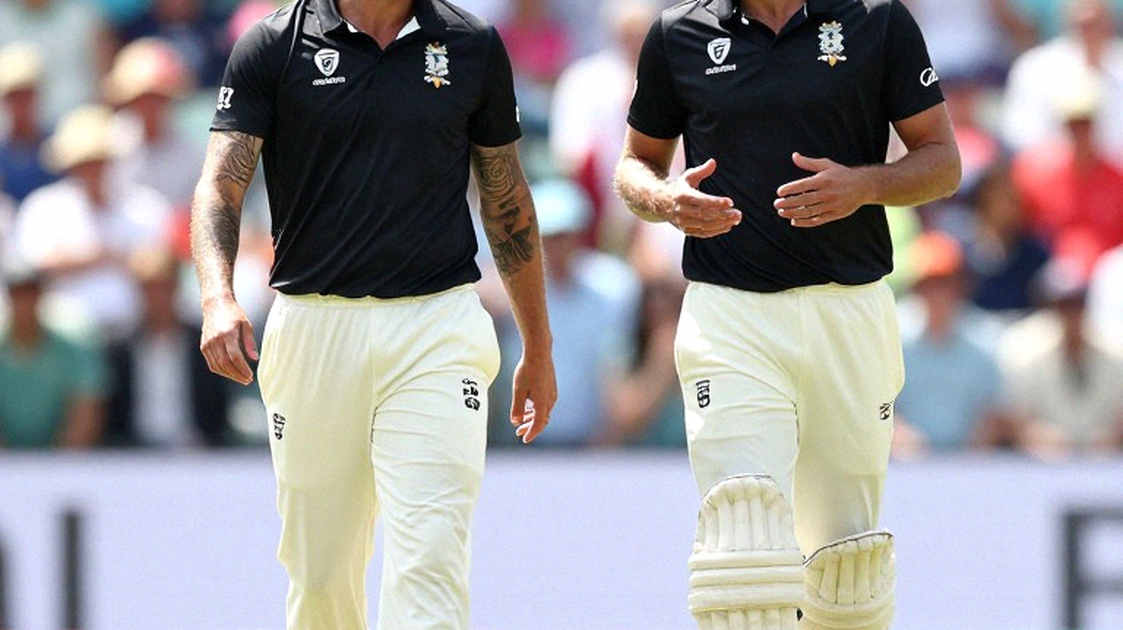
The composition of this injury cluster is telling. Quadriceps, hamstring, shoulder — these are soft-tissue and overload stories, typically the price of a calendar where a T20I block runs straight into an ODI block. Henry's injury is plainly a product of that transition. Conway's is a different species — an accident, not a load injury — but its impact will be as deep as any schedule-driven injury, because cricket's concussion return-to-play protocol is among the most conservative in sport. Assuming it is a 'one-match matter' would be a serious mistake.
A technical point needs to be understood here, one not stated directly in the news. Under ICC regulations, a confirmed concussion allows a team to request a 'like-for-like' concussion substitute, subject to the match referee's approval. For New Zealand, this is the most practical route, because its injuries are concentrated in batting — a batter for a batter. But it is important to know that substitution is not automatic; the referee must be satisfied the replacement's role matches. And if Henry is also ruled out, the new-ball pairing will have to be reconstituted experimentally — a risk that becomes much larger against India's batting line-up.
Now the point most people are missing. Media and fans are calling this 'New Zealand's crisis,' and on paper it looks right — four players out or under monitoring. But the real question is not whether New Zealand is weakened; it is what training methodology it suggests when two players lunge for the same catch in one practice session. This is not a moral or administrative issue; it is a simple question that should be asked inside New Zealand Cricket — was there any protocol to stop two players from crossing into each other's path in the same practice drill? Because if Henry had not been involved, this story would have been only about Conway. The collision destabilised a batter and a bowler at once — this is 'correlated risk,' where one event weakens two separate units simultaneously.
And there is another quiet truth in this discussion that must be acknowledged. I was not present in that humid Eden Park afternoon. What I saw was on screen, a press release issued hours earlier, and a scorecard that had not yet begun. New Zealand Cricket did not say when Conway will return, did not say what Henry's status is, did not say who the replacement will be. In a report with the most space given to injuries, the least space is given to their cause and timeline. That may be the biggest story of all — this silence, this 'further updates to follow,' this careful language that respects medical confidentiality but conceals selection strategy.
Look ahead — the answer to whether Henry is fit will first appear on the team sheet. The timeline for Conway's return will be set not by his head but by the ICC's return-to-play protocol. And New Zealand's biggest test will not be in the next few days, but in the moment when a fast bowler's quadriceps and a batter's head are both written into the same report card. What Eden Park will miss most is not any single player but the experience of those bench-sitters who must now suddenly walk onto the field.